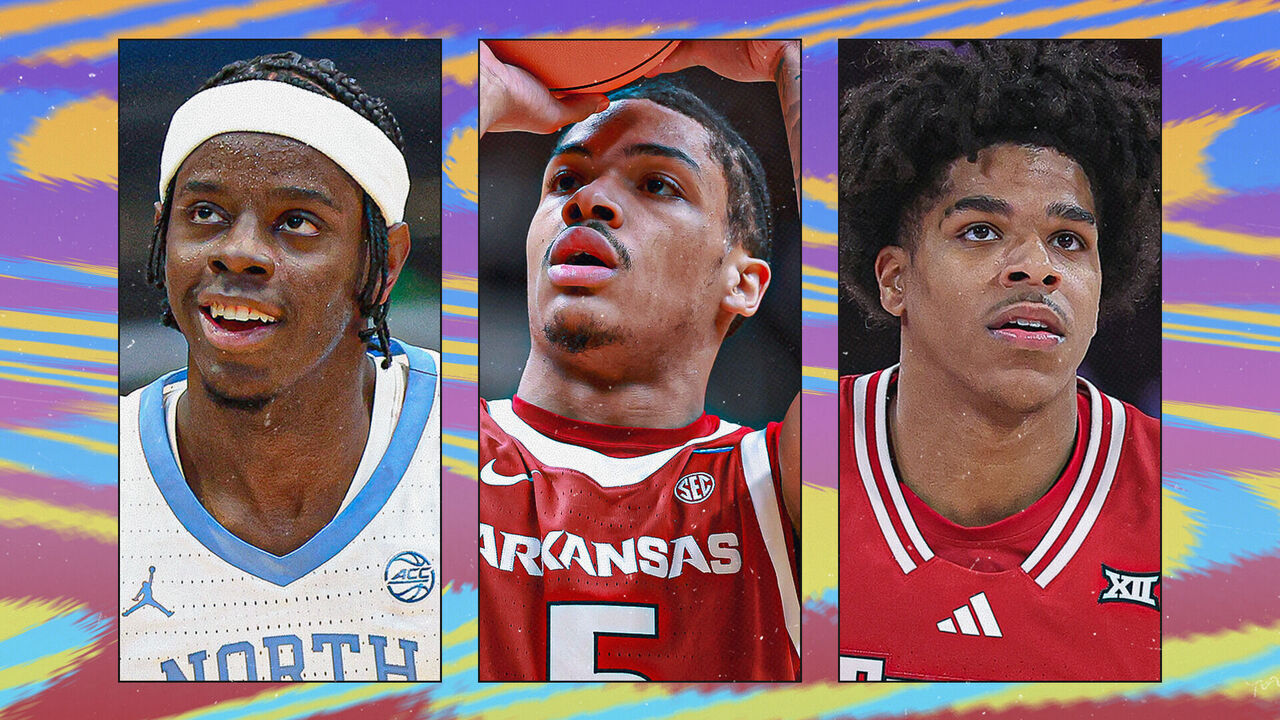
With the 2026 NBA Draft quickly approaching on June 23 and franchises across the league finalizing their big boards, let's visit the concept of team needs.
Several clubs are in the market for an electric on-ball weapon, while others are looking for an off-ball defensive stopper. Some franchises are looking for plug-and-play options, and others are targeting major upside swings.
With that in mind, we'll run through nine superlatives to identify the best players in this year's draft across several key categories and attributes.
Best Scorer: Darius Acuff
Since 2010, Acuff and Jalen Brunson are the only non-seniors to shoot 50% or better from 2-point range on 300 or more attempts and 40% or better from beyond the arc on over 200 attempts.
It's hard to overstate just how efficient and effective Acuff was at Arkansas on high volume while playing the 11th-hardest schedule in the country. His offensive game has no holes. He was an elite shooter off the catch and in the pick-and-roll, and he might have the best floater in the draft. Combined with his strong passing efficiency, Acuff is arguably the best offensive weapon in the class.
You have to be a true on-ball superstar to earn a starting role at just 6-foot-3, and Acuff fits that description to a tee.
Best Shooter: Christian Anderson
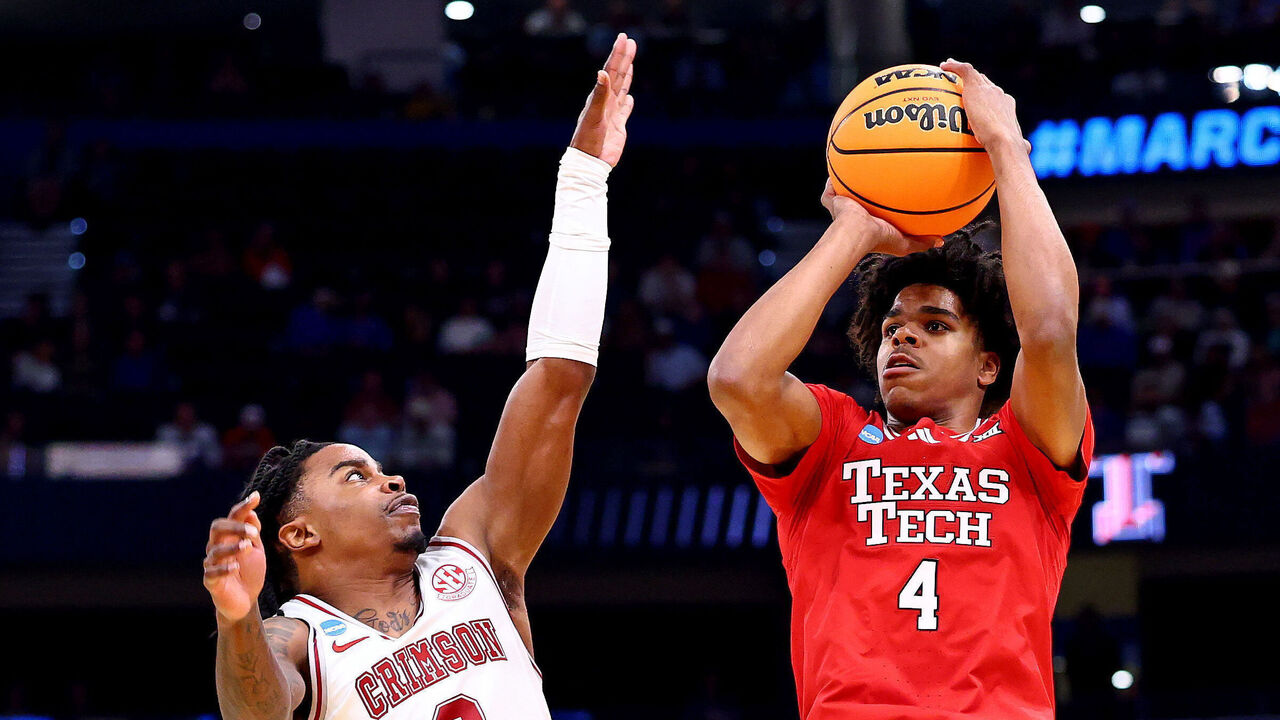
Acuff may have recorded a slightly better 3-point percentage last season, but Anderson's versatility as a jump shooter sets him apart at the top of the class. He shot 45% on spot-up threes and 46% on pick-and-roll threes, showing the rare ability to dominate both as an off-ball spacer and as an on-ball shot-creator from beyond the arc.
Not like we needed more proof, but Anderson's performance at the draft combine sealed the deal. Out of 73 players, he finished second in the off-dribble shooting drill, 10th in the spot-up shooting drill, sixth in the 3-point star drill, and eighth in the 3-point side drill. Anderson's jumper is smooth and quick and has all the makings of being one of the best in the NBA as soon as he enters.
Best Passer: Braden Smith
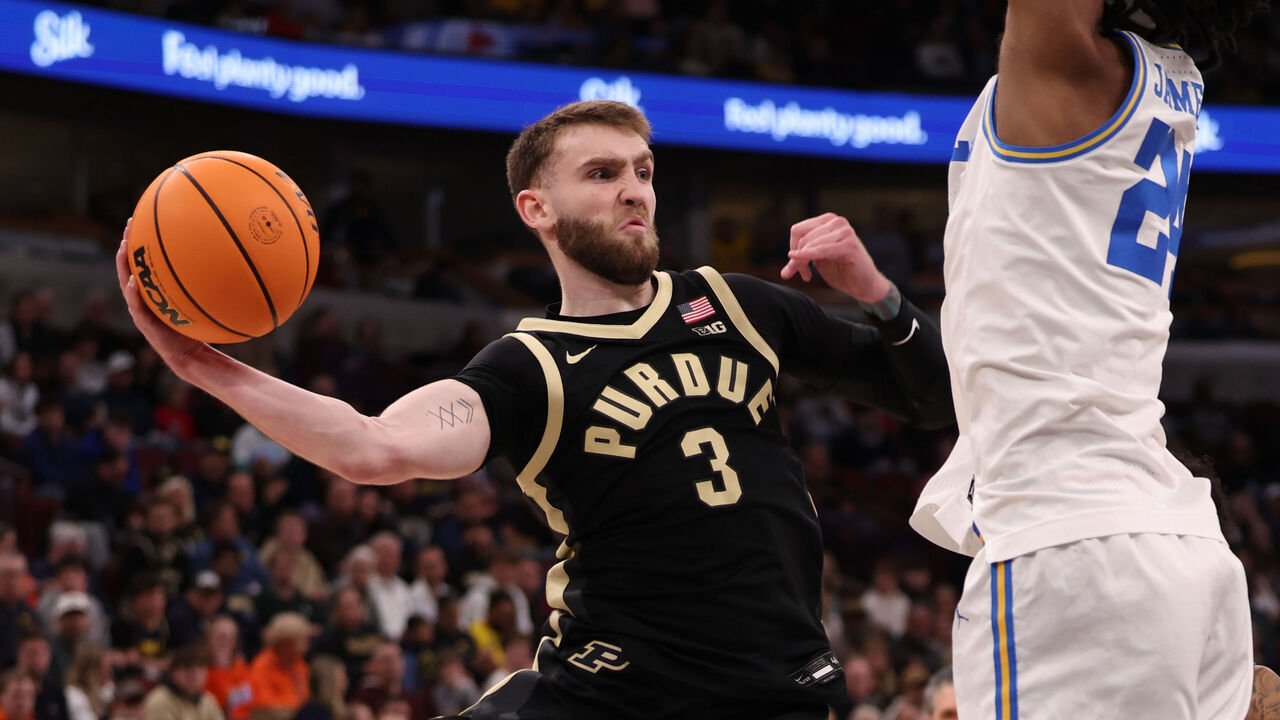
This one is pretty self-explanatory, given that Smith broke the record for most assists in NCAA history near the end of his storied four-year career at Purdue. Although his fit in the NBA is a real question due to his diminutive stature and lack of athleticism, his ability to run an offense and get his teammates the ball in the right spots could make him a long-term fixture on second units throughout his career.
Over the last two seasons, Smith and former Gonzaga star Ryan Nembhard were two of only three players to record at least three games of 12-plus assists and no more than two turnovers. Nembhard found a meaningful role with the Dallas Mavericks despite his lack of size and scoring pop, and Smith could be in store for similar early success.
Best Defender: Jayden Quaintance
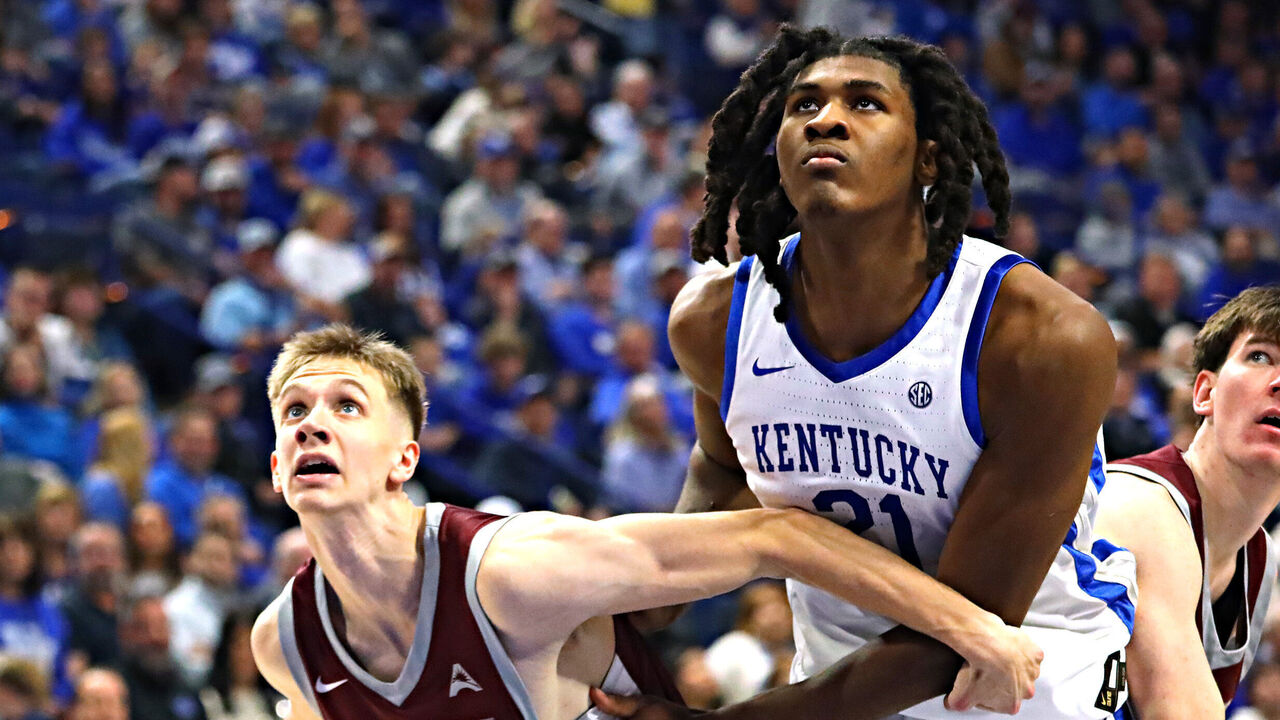
An ACL tear limited Quaintance to four games last campaign, but his absurd defensive season as a 17-year-old at Arizona State two years ago shouldn't be overlooked.
Not only did Quaintance finish in the top 20 among all players in block rate in 2024-25, but the Sun Devils were a whopping 17.1 points per 100 possessions better defensively with him on the floor. When the teenager sat out, the team's defense plummeted from solid to horrific.
Quaintance has a mammoth 7-foot-5 wingspan and top-tier mobility for a true big man. While he isn't a surefire lottery pick since his offensive game still needs developing, Quaintance's impact on the defensive end is undeniable.
Best Athlete: Caleb Wilson
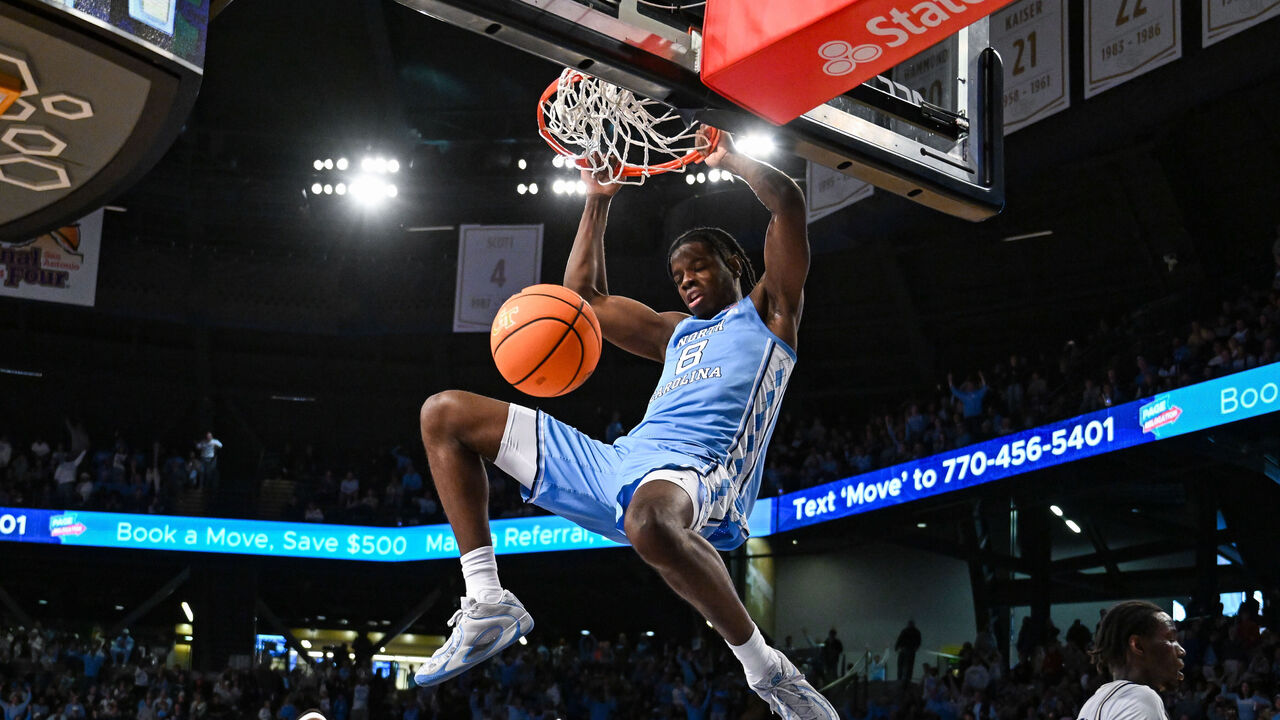
Dunks aren't the only measure of athleticism, but Wilson's performance stands out, as he averaged 2.8 dunks per game last season. For some added context: first-place dunker Cooper Bowser at Furman had over 95% of his dunks assisted, whereas only 61.2% of Wilson's dunks were assisted - the lowest rate of anyone averaging more than one dunk per contest.
Thanks to his exceptional body control, speed, and burst within his lengthy 6-foot-10 frame, Wilson excels at manufacturing his own slams at the rim. His vertical numbers at the combine were also elite for his position, and his agility allowed him to become one of only eight power conference starters to post his lofty steal and block rate statistics.
Wilson's lack of a jumper is the one thing holding him back from being a true No. 1 overall candidate, but his elite athletic tools, along with his supplementary skills, make him a clear-cut choice to be called within the top five picks.
Highest Upside: AJ Dybantsa
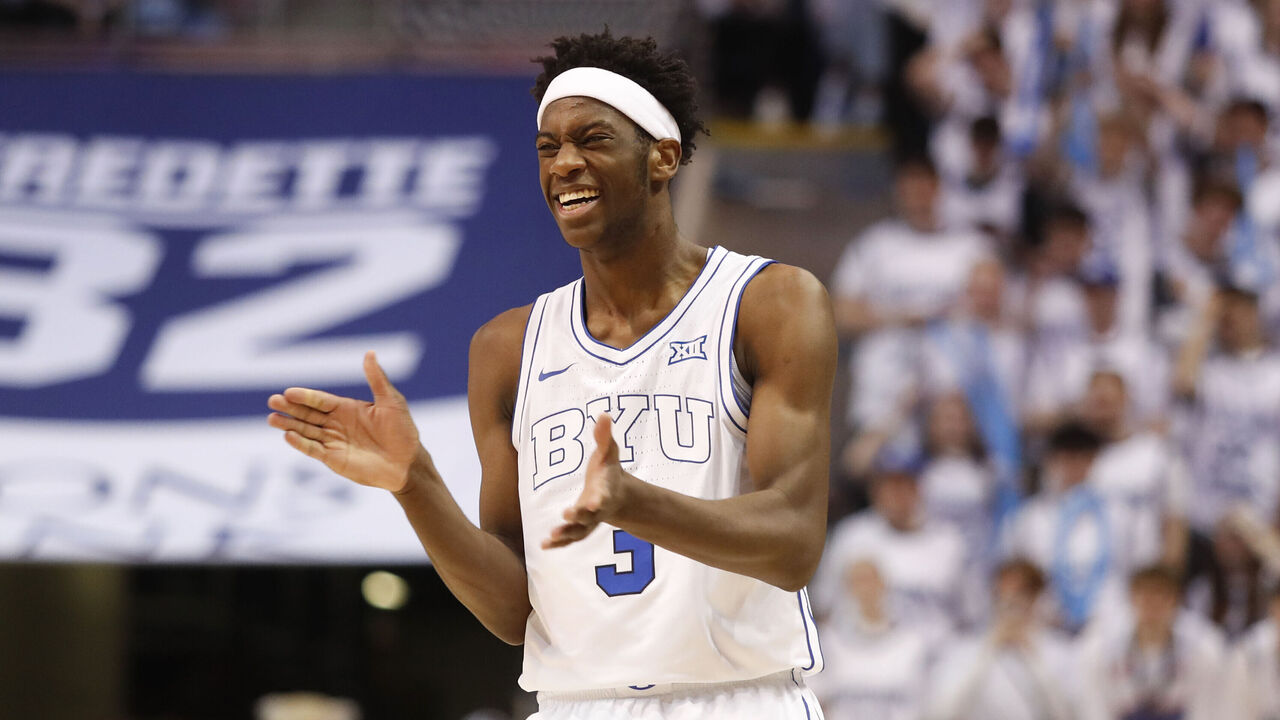
Dybantsa is the favorite to be selected with the No. 1 overall pick, though a handful of other options are getting consideration. After leading the country in points per game during his ultra-productive one-and-done season at BYU, Dybantsa's ceiling is arguably more appealing than his floor right now.
For all his strengths as an on-ball athlete and shotmaker, Dybantsa could still improve his efficiency. He shot 33% from deep on limited volume and put up a pedestrian 1.2 assist-to-turnover ratio. As with any star on-ball wing in the NBA, the ability to be a threat from beyond the arc and to serve as a lead initiator are two critical areas Dybantsa needs to improve. He could also be more impactful on defense.
However, Dybantsa measures taller than many bigs in the class, ranks better athletically than most guards, and has posted scoring numbers rarely seen at the college level - the sky is truly the limit for him. Versatile, on-ball wings standing 6-foot-8 don't grow on trees, and the ones who possess those traits typically become NBA All-Star-caliber players.
Safest Floor: Yaxel Lendeborg
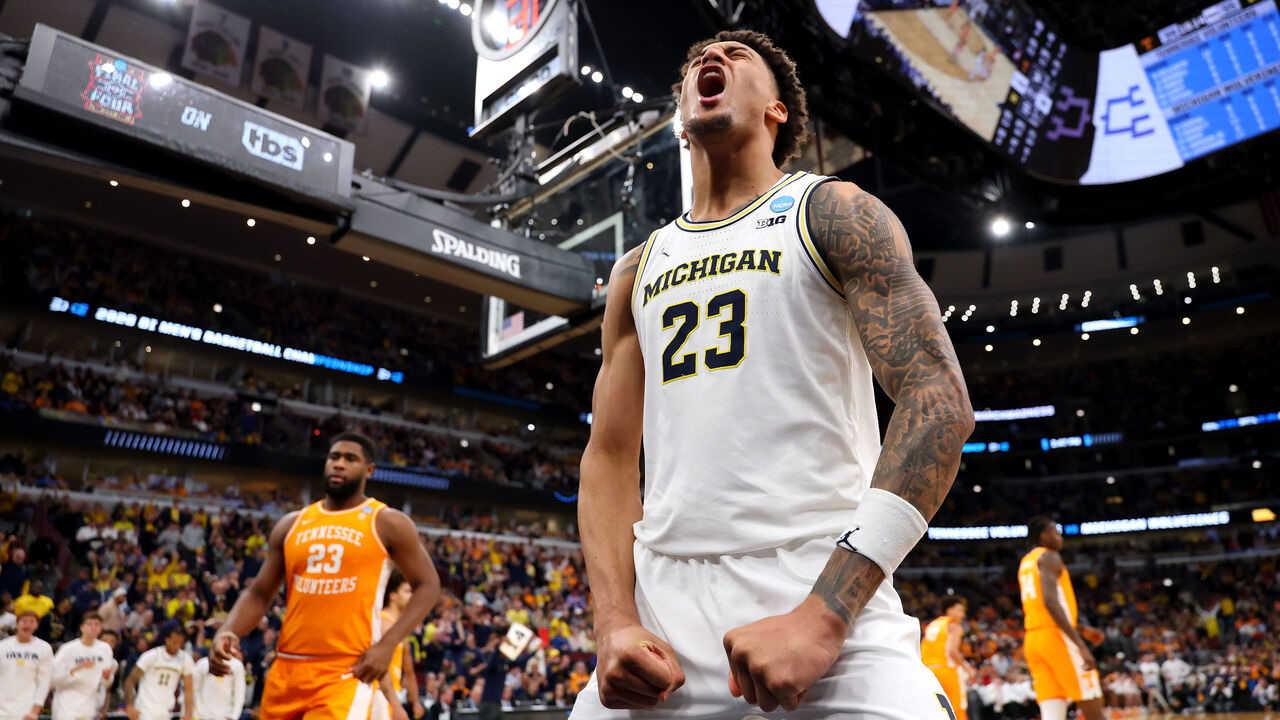
Lendeborg is a bit of a cop-out answer since he'll almost assuredly be the oldest player drafted this year at age 23. Still, he's also one of just a handful of players in this class who could've given an NBA team solid rotational minutes last season.
Lendeborg's game has no holes. He's an on-ball playmaker with a capable jumper, elite finishing tools, strong rebounding chops, and multi-positional versatility all wrapped into an oversized 6-foot-9 frame. If he were 19 with those tools, he'd be the No. 1 pick. Lendeborg was also a perennial winner at the D-I level, coming off a national championship run with Michigan and compiling a 48-12 conference record across three seasons between the Wolverines and UAB.
Lendeborg will average at least 20 minutes per game in the NBA next season, no matter who he plays for. He may never make an All-Star team, but his chances of a long career in the Association are incredibly high.
Most Likely to Earn Rookie Playoff Minutes: Morez Johnson
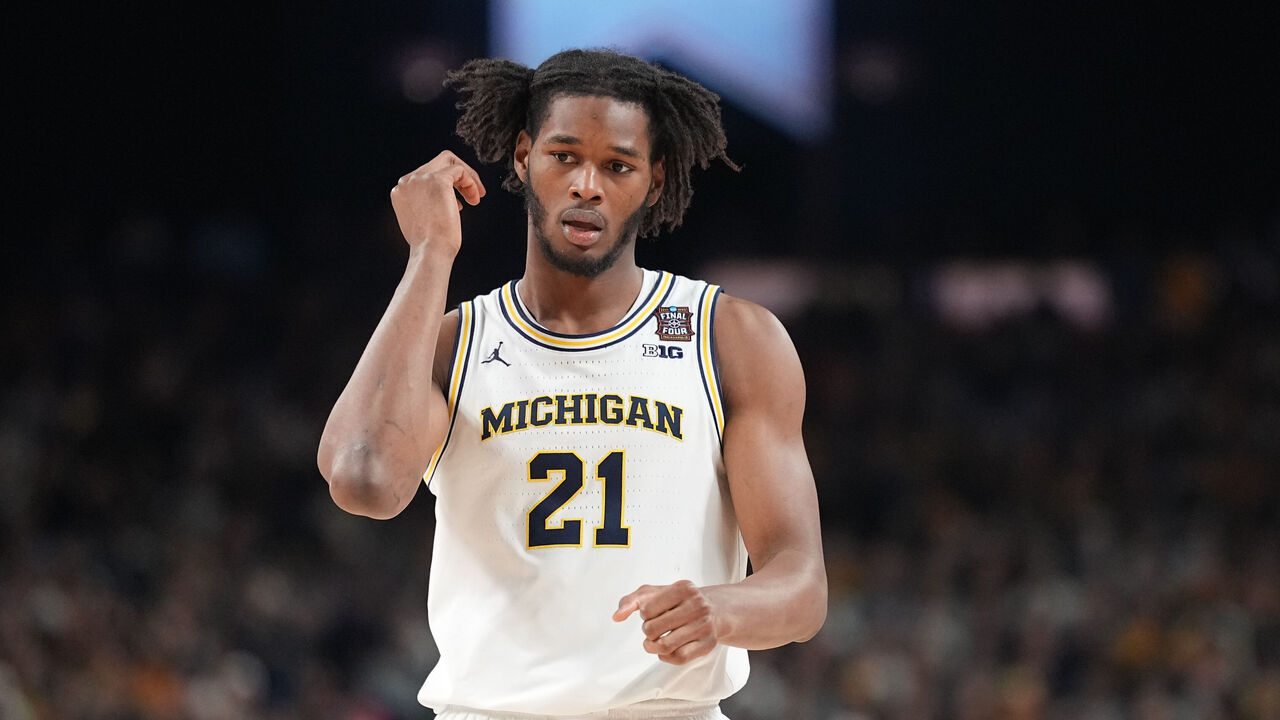
The NBA playoffs this year featured a handful of rookie role players earning important minutes. To qualify for this superlative, a player has to be a likely non-lottery pick, as he'd be headed to a postseason squad. This category is also better suited to off-ball players, since on-ball guys are unlikely to have a big role on a team with a superstar in the postseason.
Not only does Johnson know exactly how to play a role on a championship team after being a starter on the title-winning Wolverines, but his game is perfectly suited for excelling as an off-ball frontcourt piece for a competitive NBA roster.
Johnson has great size at 6-foot-9 with a 7-foot-3 wingspan, complemented by good fluidity, elite defensive metrics, and a reliable open 3-point shot that he flashed both in college and at the combine. Perhaps most importantly, his athletic tools could allow him to play either the four- or five-spot at the next level, bringing much-needed versatility to a playoff rotation.
Best Overall Player: Cameron Boozer
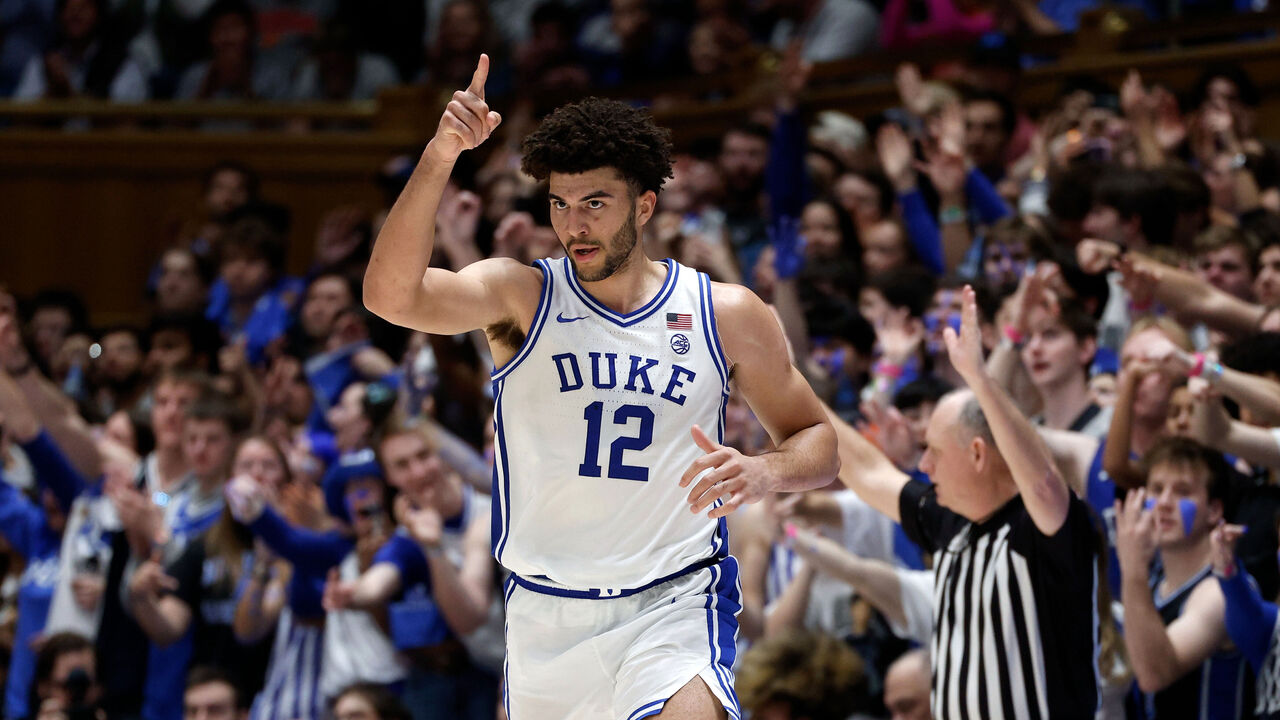
Boozer didn't win any of the previous eight superlatives, but he was in consideration for nearly all of them. His unmatched versatility is what makes him the top player in the draft class.
Scoring? Boozer finished ninth nationally last season. Shooting? He was one of seven players 6-foot-9 or taller to make at least 50 threes at 39% or better. Passing? Boozer ranked fourth among all players his height or taller in assist rate. And to top it all off, he played for the country's No. 3 defense.
Many consider Boozer a safe pick with limited upside, largely due to his modest vertical burst and his frame being slightly undersized for the four-spot. But fresh off producing one of the best seasons in recent college basketball history for one of the top teams in the nation, Boozer's resume speaks for itself. This isn't worth overcomplicating: Boozer is the best player in the 2026 NBA Draft.
Matthew Winick is a college basketball analyst and consultant. You can find his work on X at @matthewwinick.