The NFL's QB contract system is broken - but there's an easy fix
In two of this week's least surprising developments, the Miami Dolphins and Arizona Cardinals each announced they were moving on from their franchise quarterbacks.
The Dolphins will eat almost $100 million in dead money against the salary cap, such was their desperation to get out of the Tua Tagovailoa business, while the Cardinals will only be stuck with about half that amount since Kyler Murray has less term remaining on his contract.
Neither player made it to the end of the nine-figure contract extensions they signed coming off their rookie deals. That will be perceived as a failure for all involved, which is fair enough. When a team would rather dive into salary-cap purgatory than retain its starting quarterback, it is tough to find a silver lining.
But this kind of thing happens a lot in today's NFL with young quarterbacks. And it hints at a problem that the league should fix.
The story tends to unfold like this: A team drafts a quarterback with a high pick. After a few seasons, he's shown flashes of potential stardom. In rare cases, his future success is predictable as soon as he starts playing (Joe Burrow, Patrick Mahomes), but more often, there are ups and downs because the quarterback has landed on a poor team (often under the guidance of a new coach).
But the clock starts ticking on that rookie contract as soon as the player signs it. After two or three seasons, a team already needs to be considering whether this guy is their quarterback of the future, even if the evidence is mixed or incomplete.
This is essentially what happened with Tagovailoa and Murray, who showed both their promise and their flaws in their early seasons. Murray is a gifted athlete with the ability to make spectacular plays, but he was also inconsistent, and the Cardinals infamously did not love his work ethic. Tagovailoa had great accuracy, but he couldn't throw the deep ball, and, more worryingly, he suffered a series of brutal head injuries.
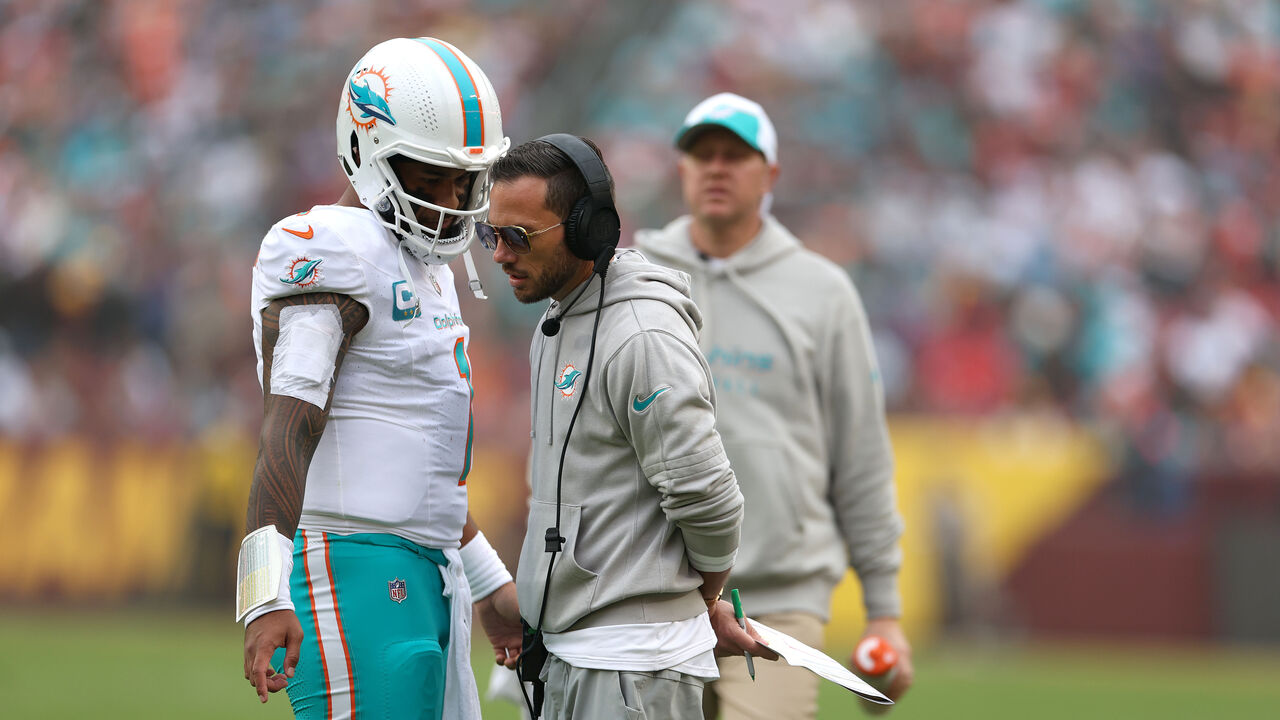
There were warning signs with both. But what else could their teams do? Once you've drafted a quarterback near the top of the first round, either you hand him a giant contract extension after a few seasons, or you release him and start over at the toughest position in sport to fill successfully.
The Dolphins and Cardinals signed those deals right after each of their quarterbacks made the playoffs. Of course they were going to hand out extensions under those circumstances. But quarterback contracts are so costly that there's no escape if they turn out to be a mistake. This can lead teams to sign deals they quickly come to regret (the New York Giants and Daniel Jones) or to bail on a highly drafted quarterback because they don't want to lock themselves into a disaster contract (the New York Jets and Sam Darnold; also, the New York Jets and Zach Wilson).
Teams arrive at this crossroads all the time. The Jaguars gave Trevor Lawrence a monster deal, and it looked awful for a couple of seasons before his performance improved in 2025. Houston is at a critical juncture with C.J. Stroud - is he the guy who was great as a rookie or the guy who was terrible in the 2025 playoffs? - but the Texans could give it a year (and risk alienating him in the process).
The solution to this conundrum is for the NFL (and the players' association) to admit what everyone already knows: There are quarterbacks, and then there's everyone else. Quarterback contracts should be a separate class of deal that either exists outside the salary cap entirely or gets counted against the cap at a significantly reduced rate.
It's not a completely foreign concept in a salary-capped league. Major League Soccer allows teams to sign Designated Players who don't count against the cap. That's how Inter Miami can pay Lionel Messi the equivalent of the GDP of the island nation of Tuvalu without running afoul of league rules.
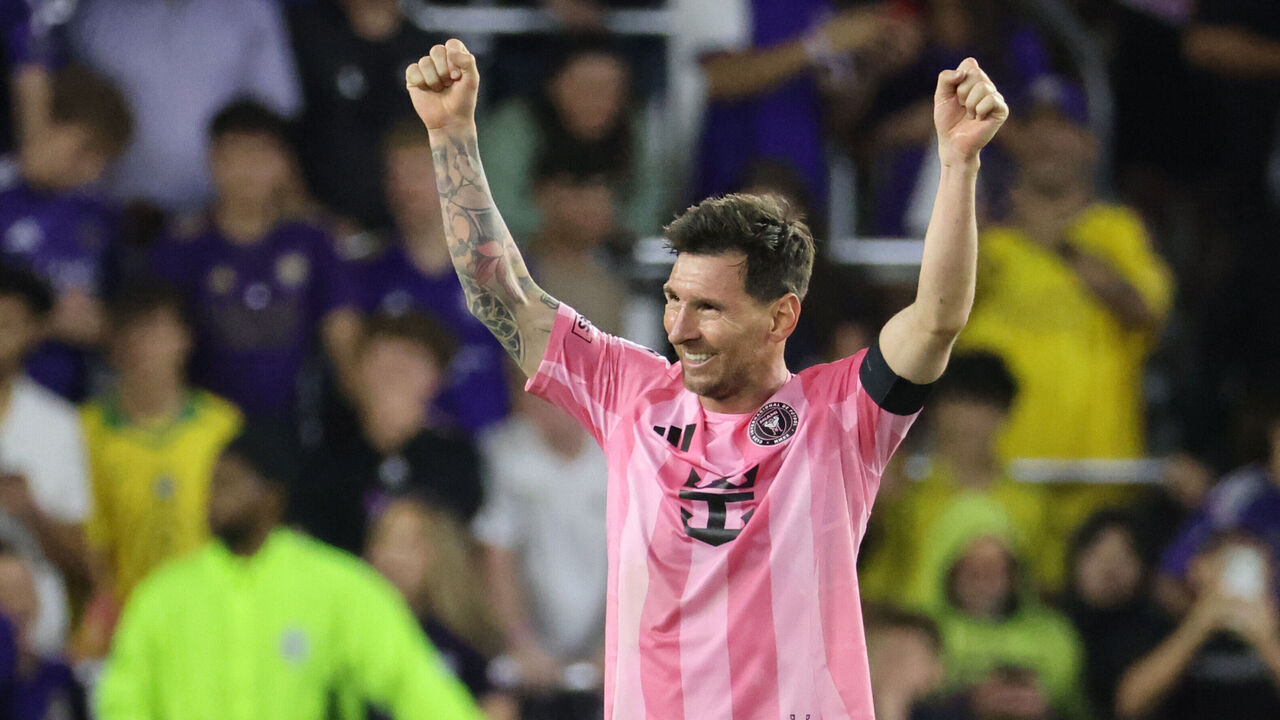
No position in the NFL - or in any team sport, frankly - has a bigger impact on a team's success than quarterback. So why treat QBs the same way as running backs or safeties for cap purposes? If quarterbacks were carved out from the regular cap, they would still get paid, and franchises would still risk a significant financial penalty if they gave a huge deal to a passer who turned into a pumpkin. But teams wouldn't be forced into the multi-year cap crisis that is, for example, about to envelop the Dolphins.
The current system requires teams to bet on a young quarterback before they're even sure if he can win a playoff game. No wonder so many of those bets go bust.
Scott Stinson is a contributing writer for theScore.