2026 NFL Draft prospect rankings: Linebackers
theScore's NFL draft prospect rankings series gives you everything you need to know about the top players available in this year's incoming rookie class.
👉 Jump to: QB | RB | WR | TE | OL | DL | EDGE | LB
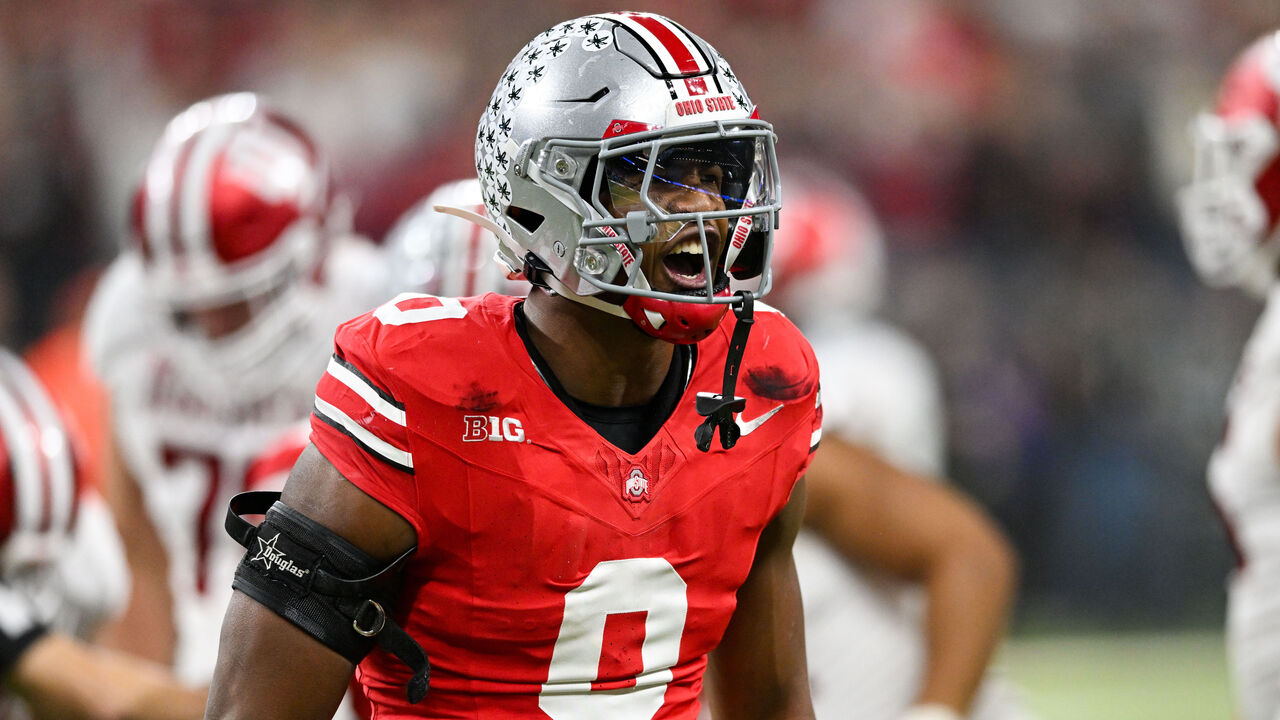
A sensational combine performance sent Styles' draft stock into the stratosphere, but he was a high-end linebacker prospect before we got the numbers to fill out that all-time great athletic profile. His elite speed and explosiveness at the position were already abundantly obvious in what he did on the field at Ohio State. Styles' physical gifts give him unlimited upside both in coverage and as a rangy sideline-to-sideline defender in the run game.
He also has a unique feel for navigating traffic to find the ball-carrier, and he didn't have a single missed tackle until the last game of the season, according to PFF. His athleticism makes him a unique weapon as a blitzer, too. In order to reach his Pro Bowl ceiling, he'll need more development in terms of his run-game processing and taking on blocks from linemen climbing to the second level. Considering it's been just two years since he made the transition from safety, and he has the physicality to match his prototypical frame, it may be a matter of time. Styles is the rare linebacker worth selecting with a top-10 pick.
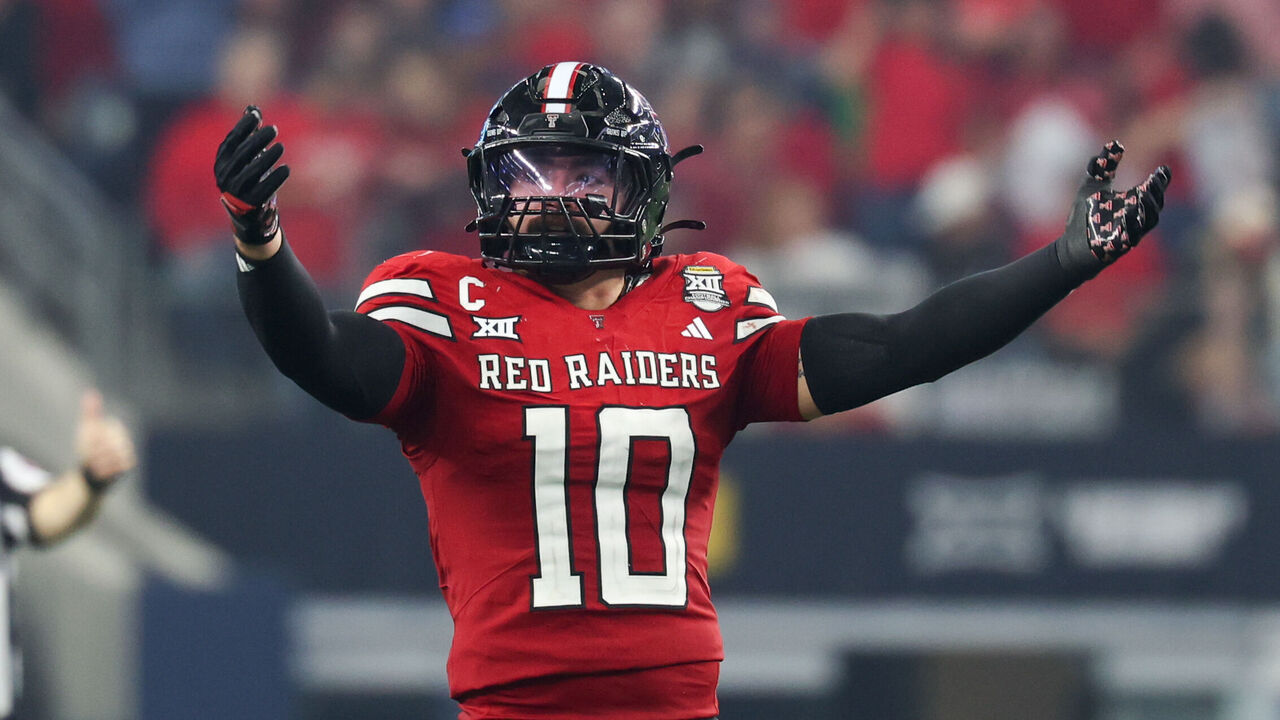
Nobody stuffs the stat sheet like Rodriguez. The Texas Tech linebacker put himself on the fringes of contention for Heisman Trophy honors this year while racking up 128 tackles, four interceptions, and an absurd seven forced fumbles. The year prior, with high-volume usage as a blitzer from the second level, he tallied five sacks and 22 pressures, according to PFF. That kind of production probably won't translate to the NFL, but there's a reason Rodriguez is always in position to make a play on the ball: His instincts in all phases of the defensive game are just that good.
The former quarterback recruit only got two years of starting experience as a linebacker, so it's fair to assume there's still some untapped potential from a processing perspective. And he happens to be an outstanding athlete for the position. His stellar combine performance makes his outlook even more exciting. Rodriguez may not have the physicality to take on linemen in the run game, but his ability to diagnose blocking schemes and slip through traffic minimizes the situations where opponents can square him up. There's Pro Bowl upside here if he can cut down on the missed tackles.
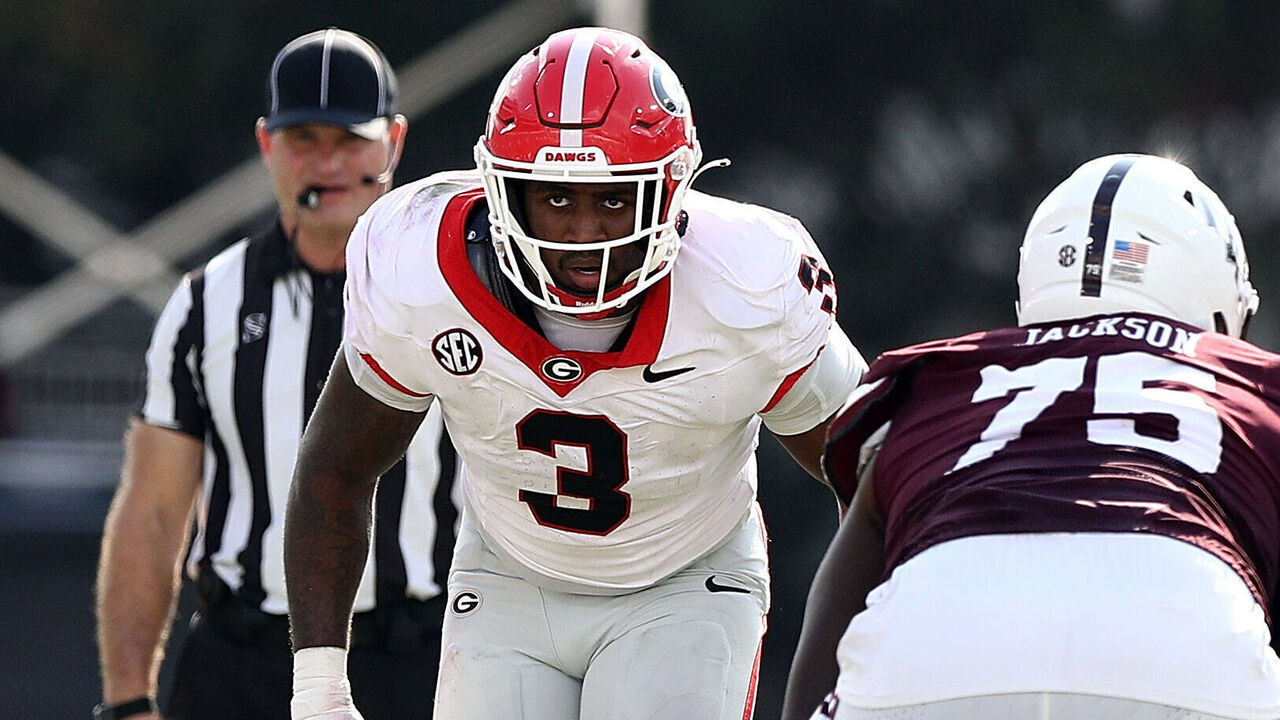
Allen isn't the biggest linebacker prospect, and he may not be an elite athlete. Those two factors could lead teams to overlook him - but based on everything he did at Georgia, that would be a mistake. Allen is a smart player whose instincts are most evident in his ability to process the run game. He reads blocking schemes well, navigates traffic to find the ball-carrier, and tackles as well as any player in this class.
His physicality - which also shows up in his ability and willingness to challenge climbing linemen - is a big part of his steady finishing skill set. His quick trigger and impressive pursuit speed also give him sideline-to-sideline range. Allen didn't produce much as a playmaker in coverage, recording just one interception in his three-year college career, and it's fair to wonder whether he'll struggle to stick with big, athletic tight ends. But he moves well in man assignments, his instincts regularly put him in the right place in zone, and his explosive downhill traits make him a valuable contributor in blitz packages. Allen should be a long-term starter in the NFL.
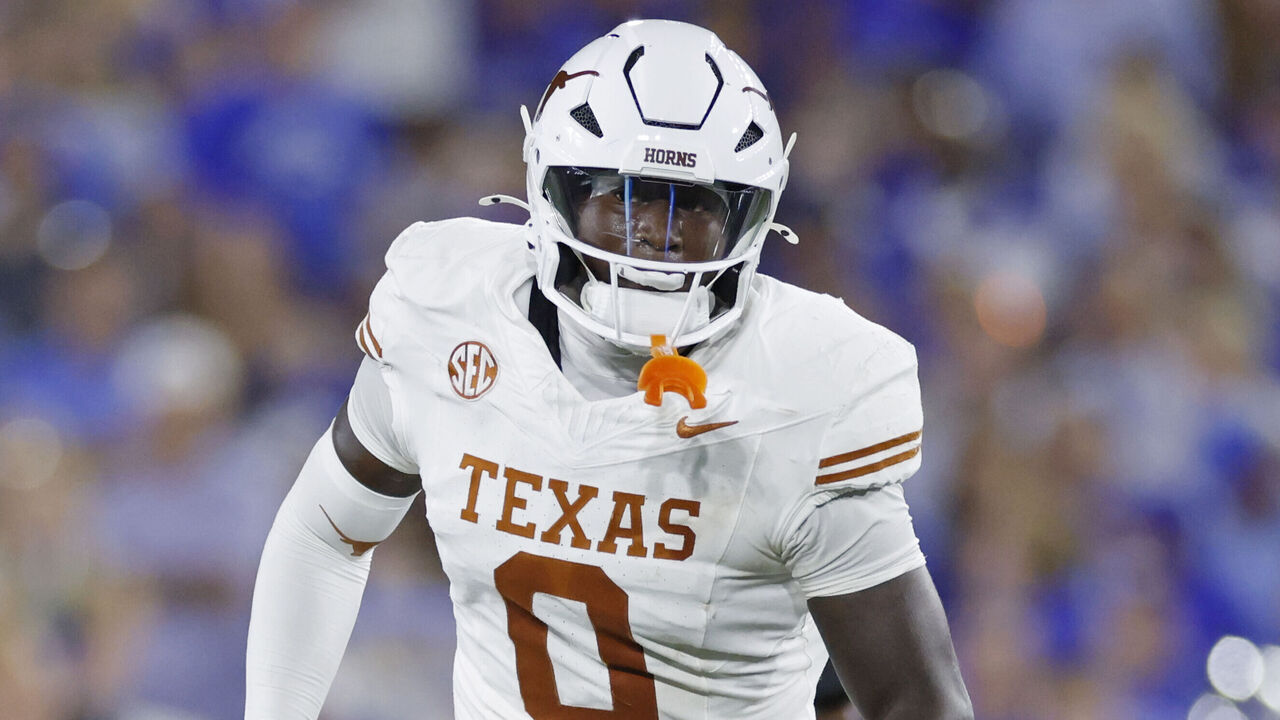
Hill is an explosive linebacker prospect who should be able to do a little bit of everything for his next team. The Texas star displays excellent instincts in the run game, allowing him to diagnose plays quickly and fire downhill. He's got a good feel for slipping past blocks to close in on the ball-carrier, and his speed shows in his ability to range sideline to sideline. His tackling efficiency improved significantly in 2025, as he finished the year with just three misses, according to PFF.
Hill has some promising moments in zone coverage, showing a good feel for the way routes develop behind him, and he provides plenty of additional upside as a blitzer from the second level - he racked up 17 sacks across his three-year college career. He can struggle to get off blocks if climbing linemen are able to square him up in the run game, and he may lack the fluidity for sticky man coverage against backs and tight ends, so role and scheme fit will be critical for maximizing his potential. Hill could produce at a high level in a defense that puts him in position to do what he does best.
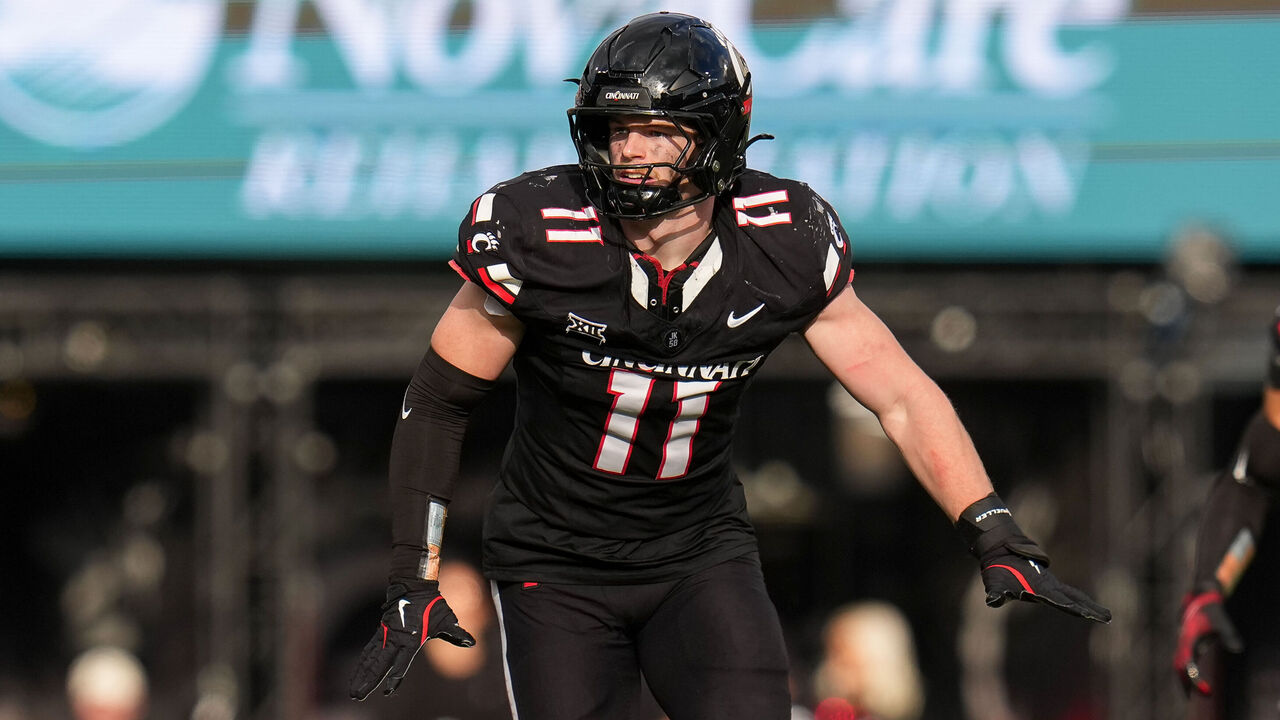
Golday has only been playing in an off-ball linebacker role for three years since making the switch from defensive end. His processing speed could stand to improve in all phases of the defensive game, but that should happen with more reps. He's in an extremely good spot for a player with relatively little experience at the position. And while his lacking change-of-direction skills could limit his ceiling in coverage, that's pretty much the only gripe you can have with this athletic profile.
Golday is an explosive player who offers excellent pursuit speed and an element of physicality over the middle of the field. Not only does he deliver powerful hits to ball-carriers and receivers entering his zones, but he's happy to engage with linemen in the run game. His background in the trenches is evident in his ability to take on and shed climbing blockers before looking to make a play on the running back. That versatile skill set also makes him a weapon in blitz packages. Golday has all the tools to be a star if NFL coaching can help him take the next step in his development.
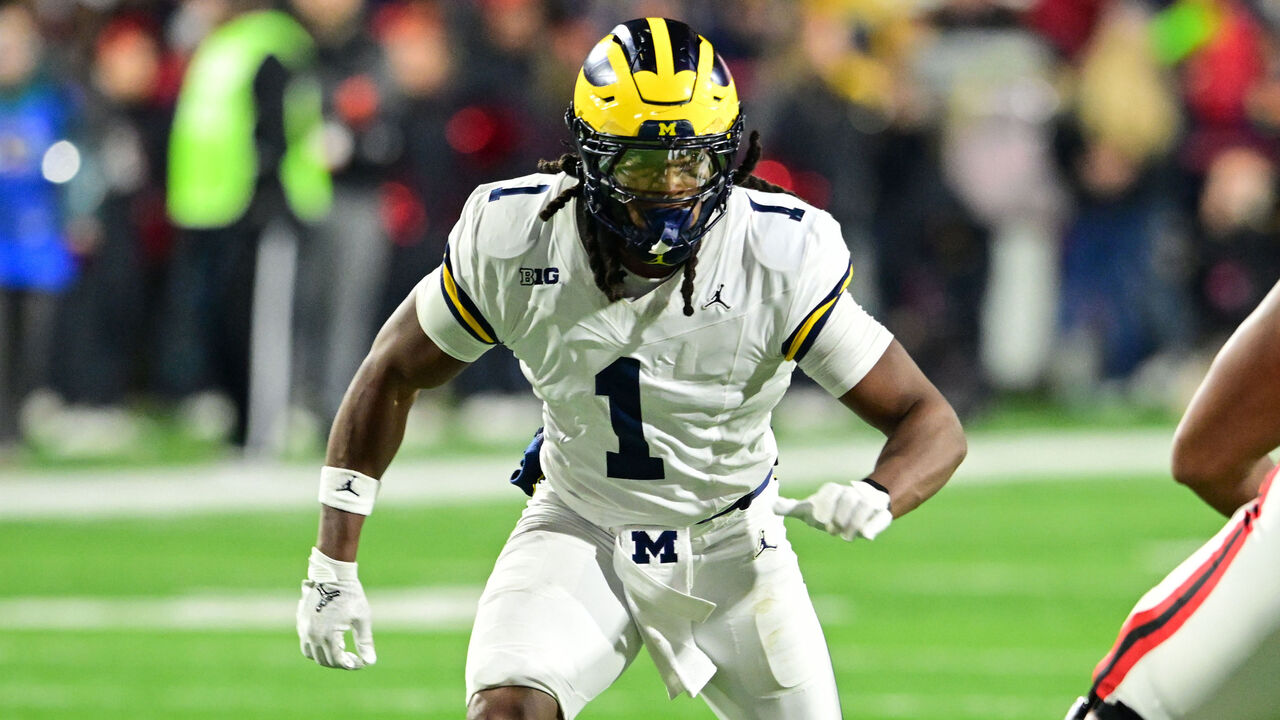
Barham might be a linebacker and he might be an edge defender - maybe he's both. No matter where he ends up, he's an explosive, physical presence you want in your front seven. Personally, I'd like to see him as an off-ball linebacker who can rotate down and get after the quarterback in sub packages. The Michigan product is a tone-setter in the run game. He processes blocking schemes quickly, triggers downhill, and takes on linemen with as much aggression as you'll see from a second-level player.
Barham has the technique and hands to stack and shed blocks, all while maintaining awareness of the ball-carrier so he can quickly transition to making a play. He displays his speed and tenacity when he's in long-range pursuit, and he'll lay a massive hit when he gets there. He's also a lot more fluid in coverage drops than you'd expect for a linebacker of his playing style. Even if he needs to develop his instincts in that area, he can still provide immense value on passing downs, either as a blitzer or lined up on the edge. Barham could be an impact player for a defensive coordinator who's capable of dropping him into different roles and capitalizing on his skills.
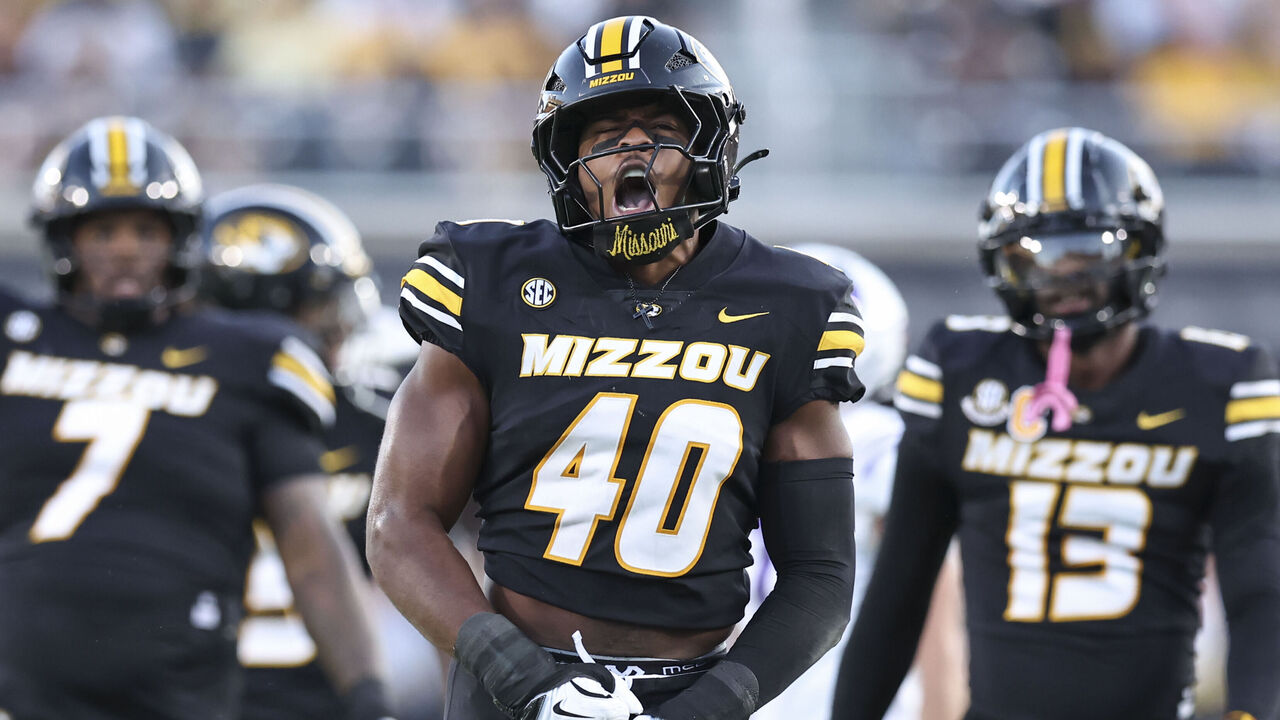
Playing linebacker runs in the family. Trotter is the son of former Eagles star Jeremiah Trotter, and his older brother, Jeremiah Jr., is going into his third year in Philly. The Missouri product is a bit of a throwback, providing the kind of overwhelmingly physical playing style reminiscent of his dad's era. He's not just a thumper - he also uses his instincts and pursuit speed to put himself in position to make tone-setting plays in the run game. But his thirst for contact is impossible to ignore, and it's a big reason Trotter is one of the rare linebacker prospects who is a nightmare matchup for linemen.
Trotter takes on blocks with true knock-back power and stacks and sheds like a pro. And just when his opponent is gearing up for another collision, he can slip by laterally and take off en route to the ball-carrier. Trotter isn't the most fluid athlete when it comes time to change directions, and his coverage instincts aren't quite up to the standard he sets against the run. He'll still provide value in the pass game, though, as he's an effective blitzer with the kind of rush repertoire rarely seen from off-ball linebackers. Trotter would be particularly impactful in a system designed to leverage that unique ability on late downs.
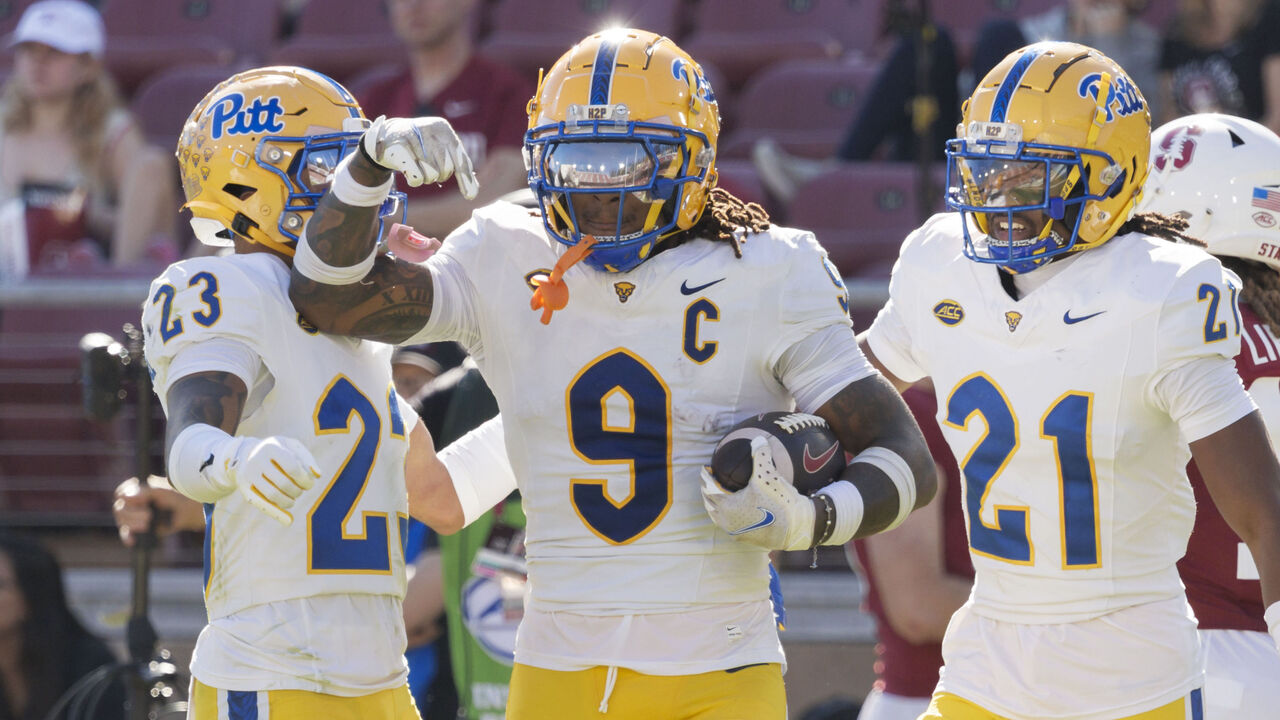
Louis is basically the result teams are hoping for whenever a safety makes the move to linebacker. The sacrifices in run-game upside are to be expected - he just doesn't have the size or physical profile to be taking on blocks from climbing offensive linemen. His speed and processing skills still give him a chance to make plays in that phase of the game, but that's not the important part.
The Pitt product brings a unique blend of coverage instincts and fluidity to the linebacker position. His supremely athletic skill set and his pass-rush upside (10 sacks over the last two seasons) give him a clear path to being a potential plus player for an NFL pass defense. His run-game exposure will have to be minimized if he sticks at linebacker, but it's possible that his limitations in that area result in a move to safety or even a full-time nickel role. Either way, a creative coordinator should see Louis as the kind of weapon who can help defenses counter what modern offenses are throwing at them.
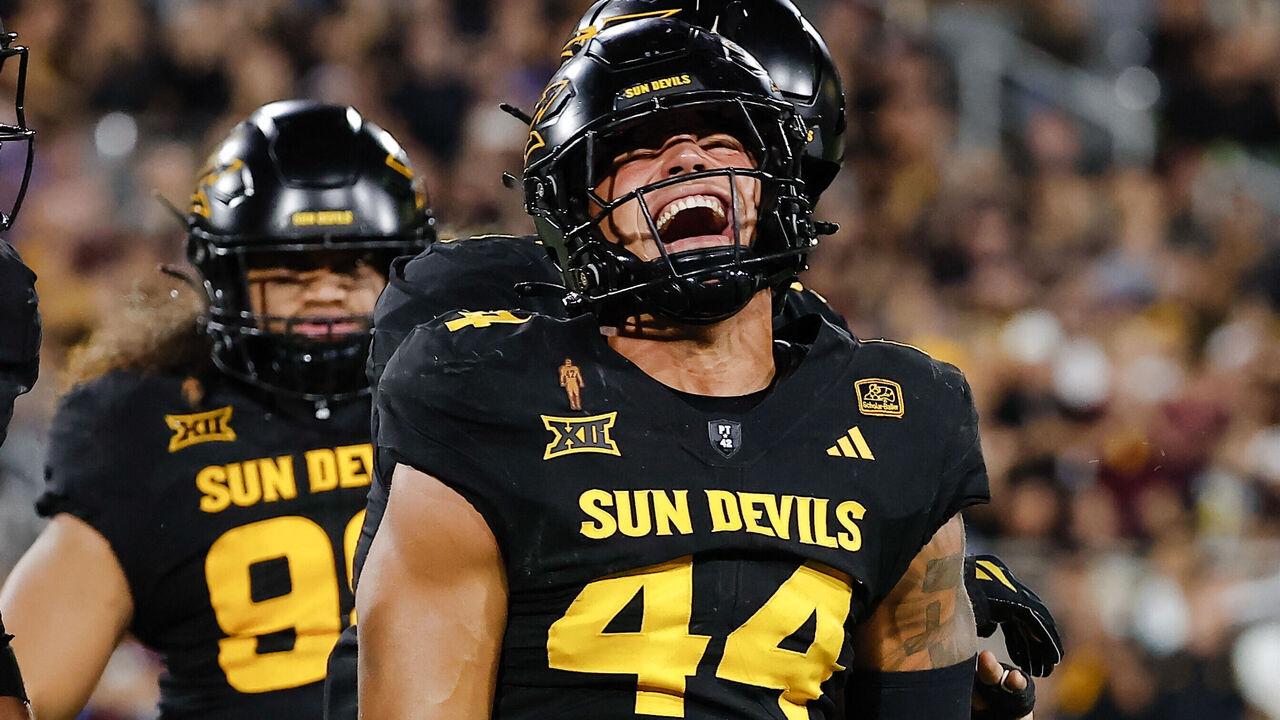
Elliott is a potential sleeper in this stacked linebacker class. The Arizona State product processes the run game at a high level, making quick and decisive reads to take off and beat linemen to the spot. His physicality and technique show in his ability to take on climbing blockers and disengage, setting his sights on tracking down the ball.
His missed tackle rate (16.8%) is a little high, and he's not the most fluid athlete in coverage, so his man-to-man duties should probably be kept to a minimum. He's a capable dropper in zone, though. And after a seven-sack senior season, there's clearly a way to deploy his aggressiveness and pursuit speed in blitz packages. Elliott projects as a productive early-down player with the upside to be more in the right system.
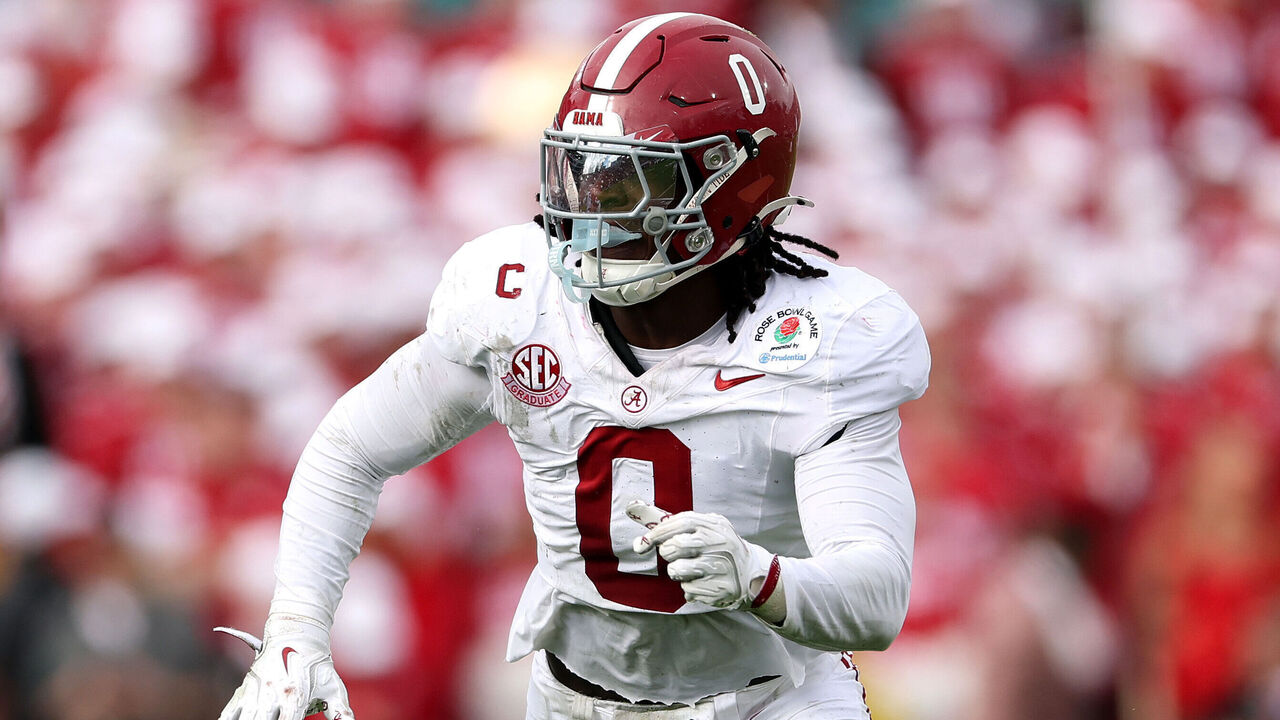
Lawson is a fluid athlete who demonstrates his unique movement skills both as a run defender and in pass coverage. Though he can be a beat late to process the run game and lacks the physicality or technique to take on blocks consistently, his short-area quickness and feel for navigating traffic often allow him to slip by linemen and find his way to the ball-carrier. His pursuit speed also gives him the range to chase down plays to the outside.
Lawson shows good instincts in zone coverage, and his athletic traits should give him a chance to hold up in man. His agility is also evident in his impact as a blitzer from the second level. Lawson needs to clean up his tackling efficiency after missing on 16.1% of attempts in 2025, and his best chance for success is a run-and-chase role designed to keep him off blocks. But a modern defense will always have room for a sound coverage defender who can also leverage his movement skills to contribute in the run game. Lawson can be a solid starter with some further development.
Dan Wilkins is theScore's senior NFL writer.