
Combining his own perspective with what he's been hearing from those in and around the game, senior NHL writer John Matisz breaks down the hot topics across the hockey landscape.
Admiring Schaefer's historic season
If Matthew Schaefer had been born two weeks later, back in September 2007, he wouldn't have been eligible for the NHL draft until this coming summer.
Let that sink in for a moment. The Islanders superstar was almost too young for last year's draft class, yet he's dominating the NHL on a nightly basis.
Schaefer is the 18th defenseman in NHL history to play 50 or more games at 18 years old. Among that exclusive group, Schaefer already holds the record for most goals (21), and he currently sits first in average ice time (24:20 per game). He's also fourth in shots on goal (trailing Bobby Orr, Phil Housley, and Rasmus Dahlin) and second in points and points per game (Housley).
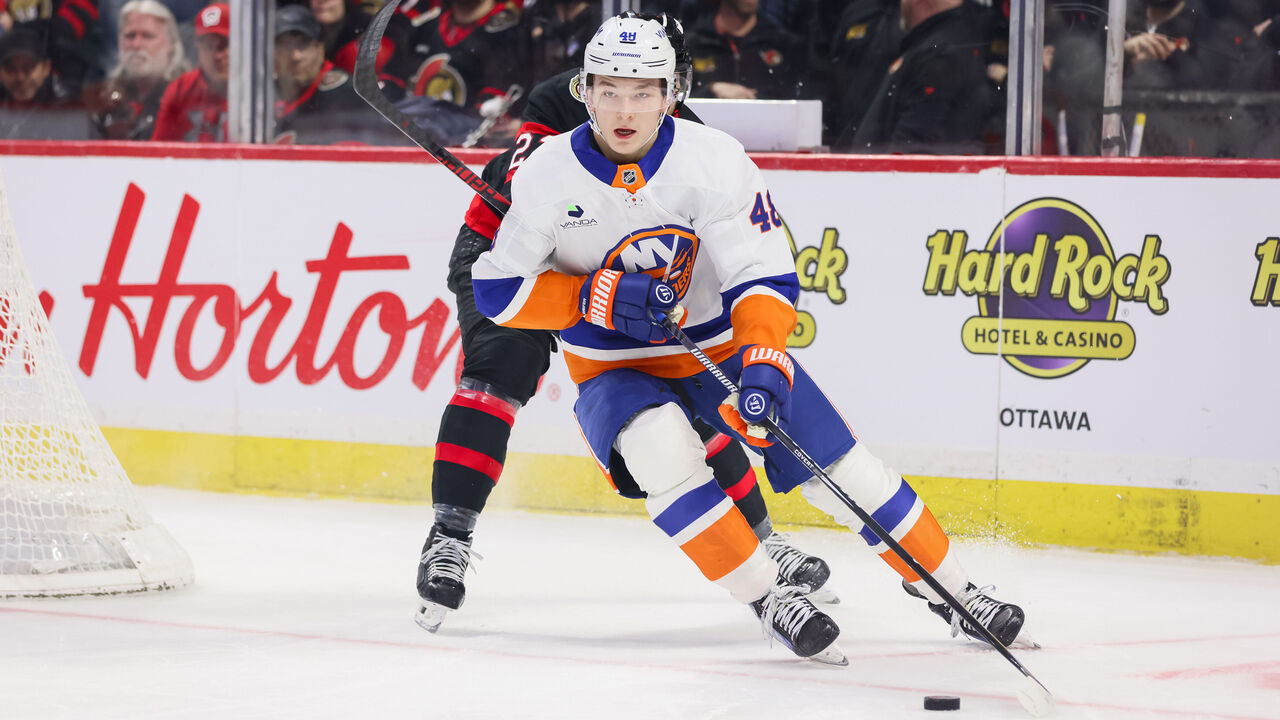
Schaefer's impact through 69 contests is borderline immeasurable. He's a transformative addition in every way and has fully embraced life on Long Island. After starting the season in a somewhat sheltered role, Schaefer's now facing the opposition's best players and largely excelling. He's built tremendous chemistry with star center Mat Barzal, completing mesmerizing give-and-gos while also controlling the flow of play most shifts. The 2024-25 Isles ranked 20th in offensive-zone puck possession; they're fourth now.
New York is unexpectedly jockeying for a playoff spot in late March.
What I find endlessly fascinating: Schaefer wasn't a lock to make the opening-night roster. The Isles loved what he brought on and off the ice, but he was 18 and had played a mere 17 OHL games in his draft year. Oh, simpler times.
Canada searching for Armstrong successor
With Doug Armstrong stepping down, Team Canada has a general manager vacancy ahead of the 2028 World Cup of Hockey and 2030 Olympics.
It seems to be a foregone conclusion that Sidney Crosby will be offered the prestigious job down the road. But Crosby will either be suiting up for Canada in the World Cup or freshly retired, so it's safe to rule him out for the time being (plus, we don't know for sure if No. 87 even wants to be a manager).
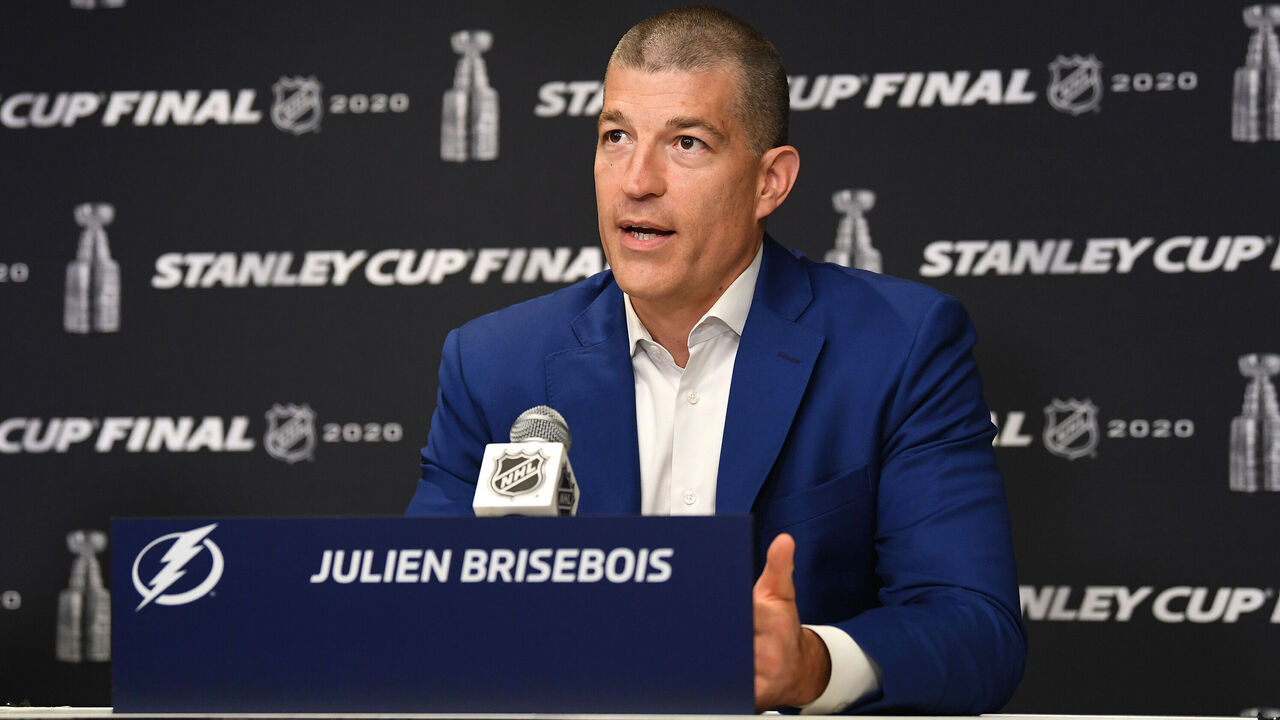
If not Sid the Kid, then who? The smart money's on Hockey Canada elevating one of its assistant managers from the Milan Cortina Games. The management group included Jim Nill (Dallas), Julien BriseBois (Tampa Bay), Don Sweeney (Boston), Kyle Dubas (Pittsburgh), and ex-NHLer Ryan Getzlaf.
Nill, Stars GM since 2013-14, and BriseBois, Lightning GM since 2018-19, are the best fits for the role based on depth of experience, ability to build winning teams, and overall reputation within hockey circles. Both are highly respected.
If recent performance is valued, Kent Hughes (Montreal) would be a strong pick for an assistant GM role. The ex-agent crushed the Canadiens' rebuild.
Young Hutson making Caps look smart
Cole Hutson won't be in contention for the Calder Trophy after leaving Boston University for the Capitals this past weekend. But we can pencil him in - heck, let's use pen - as a favorite to claim 2026-27's rookie of the year award.
Hutson, younger brother to Canadiens sophomore Lane, has been sensational through two games. On Wednesday, he looked as polished as an NCAA defenseman jumping straight to the NHL could, cleverly weaving in and out of traffic all night before scoring an empty-net goal in a 4-1 Washington win over Ottawa. Two days later, skating alongside veteran Matt Roy again, the 19-year-old logged 17 minutes against New Jersey in a 2-1 Capitals victory.
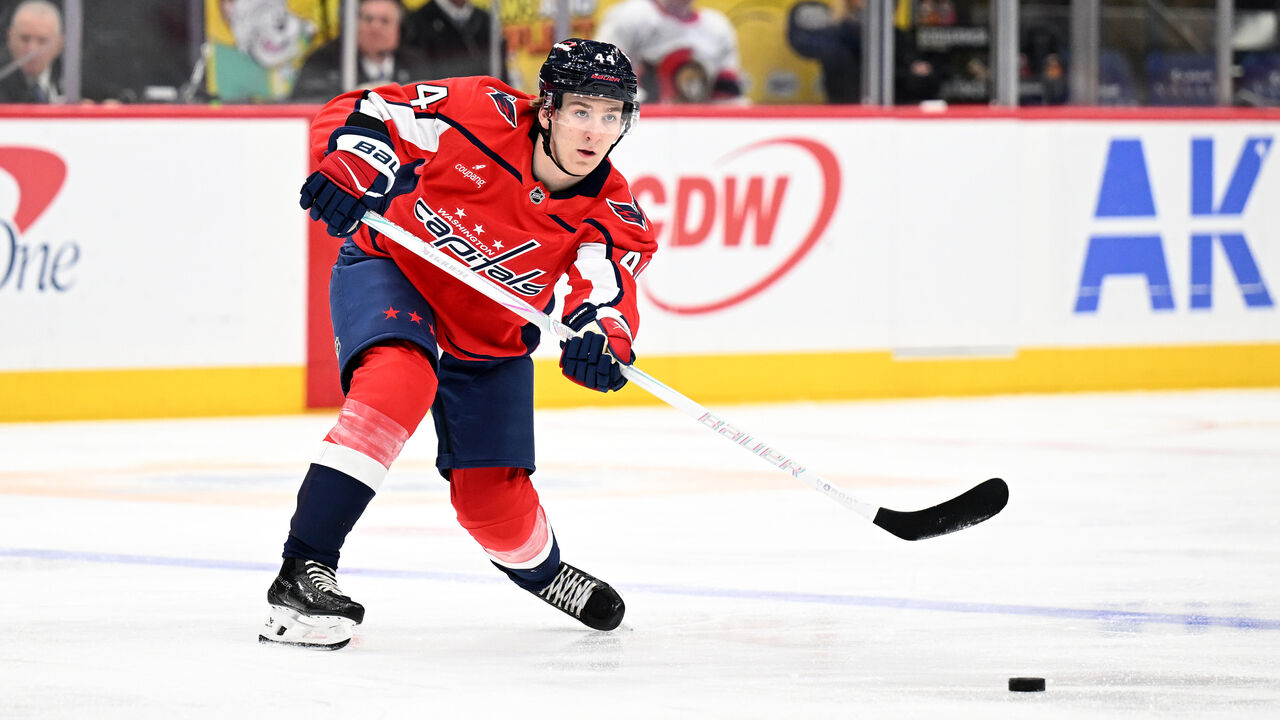
Selected 43rd overall in the 2024 NHL Draft, Hutson is two inches taller and 13 pounds heavier than his brother. While he seems a bit less invested in head fakes, their games are similar: spectacular lateral mobility, shiftiness in all three zones, natural confidence with the puck, and elite hockey intelligence, to name a few attributes. He's a game-changer for a Capitals club slowly but surely turning its roster over to a newer, younger core.
"Little things that we're showing him (during on-ice and video sessions), he can finish your sentence," Capitals head coach Spencer Carbery told reporters Thursday. "That is usually an indicator of a young player who has a really good sense for the game and can process things really, really quickly."
Goalies can't catch a break
The league-average save percentage has hit a 32-year low.
The average SV% in the NHL was .903 in 2023-24. It dropped to .900 last year and sank again this season to .896, the lowest rate since 1993-94.
Two major influences are at play. One, offenses are optimizing for high-quality scoring chances more than ever before, so the average shot on goal in 2026 is significantly harder to save than in, say, 2016. Two, the league's stat-tracking standards have been scrutinized and tightened in the sports betting era.
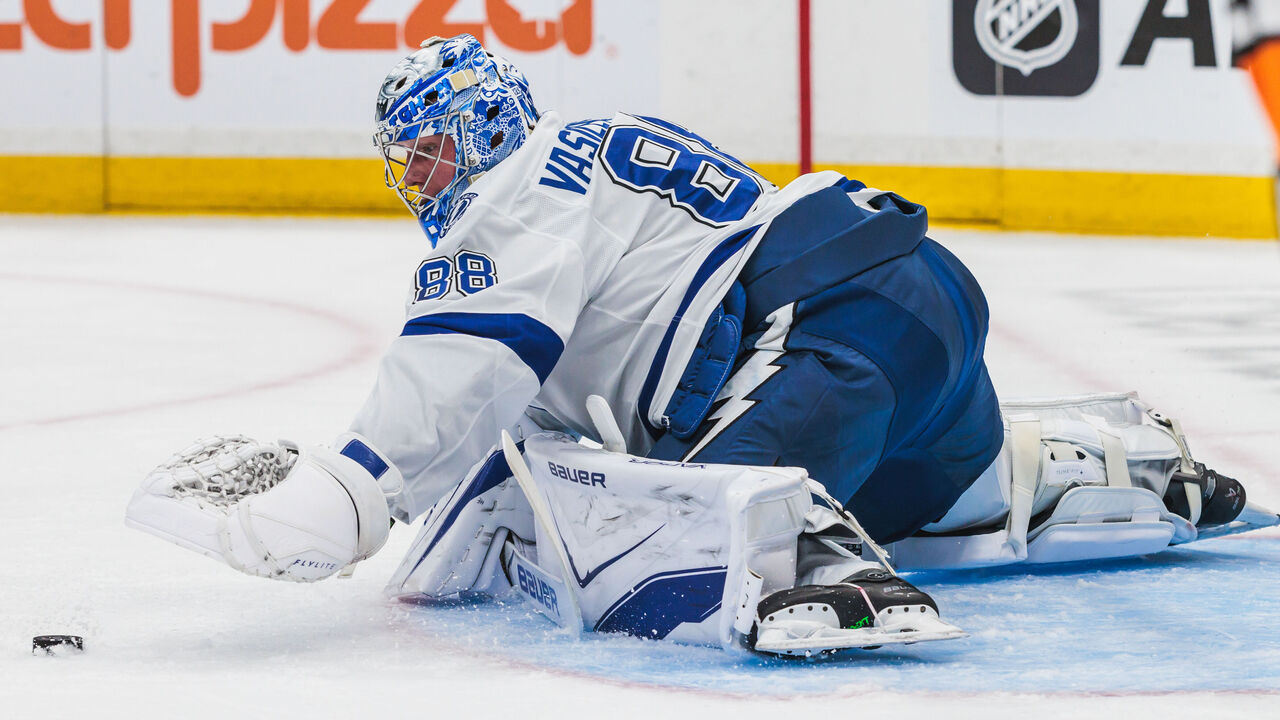
Take, for example, a puck that trickles to the crease before the goalie covers it, or a misfired pass that finds its way on net. In previous years, those plays would likely have counted as shots on goal, but probably not nowadays. The case for awarding a shot is straightforward: the puck would have passed the goal line if the netminder didn't stop it. A stopped puck, in other words, should be considered a save.
A veteran NHL netminder recently told me that he's always been frustrated by the hockey world's lack of interest in the goalie perspective. Goalie interference, equipment changes, goals saved above expected models, and shot tracking are areas where he believes goalies' opinions are often ignored.
Why does any of this matter? Despite advancements in analytical models, goalies are frequently still judged by goals-against average and SV%. Every shot counts, especially for guys fighting for backup and third-stringer jobs.
Standings turned upside down
The 2025-26 season has evolved into the year of standings disruption.
Through Friday's games, only nine of last year's 16 playoff teams are holding down a postseason spot. Newcomers include Buffalo, Pittsburgh, Columbus, Boston, and Detroit in the East, and Anaheim and Utah in the West. The Sabres have jumped all the way from 26th in points percentage to fourth.
The crazy twist: Winnipeg and Washington - last season's conference leaders with 116 and 111 points, respectively - are on track to miss the 2026 playoffs. (MoneyPuck gives the Jets 4.7% playoff odds, Capitals 8.6%.)
The No. 1 seed in a conference has missed the following postseason just seven times in league history, according to NHL Stats. Not once have both conference No. 1 seeds failed to qualify the next year.
The Jets and Caps could be trivia answers soon.
Two 'zero' stats to keep tabs on

It's extremely rare for an everyday NHL player to end a season with a zero in a statistical category. For instance, even low-usage, low-skill enforcers manage to score one or two goals thanks to the puck randomly bouncing their way.
As the season winds down, two compelling "zero" stats are worth monitoring.
Goal-scoring king Alex Ovechkin has started exactly zero shifts in the defensive zone through 70 games with the Capitals. No player has finished a season with zero in that category since the NHL started tracking zone starts in 2007-08.
Carbery controls Ovechkin's usage and deployment, and there's no reason to believe the third-year Caps bench boss will be straying from his carefully crafted strategy. Ovechkin is highly likely to pull it off: zero in 82 games at 40.
Meanwhile, Ducks winger Troy Terry hasn't been credited with a single hit in 49 contests despite skating for 18:16 a night. Nobody with a minimum of 41 games played (half a season) has finished with zero since the NHL began tracking hits in 2005-06.
Though a season of non-violence would be amusing, Terry will probably record a hit down the stretch. It already feels impossible that he's close to 50 games and 900 minutes and somehow hasn't even accidentally body checked anyone.
Dallas used to stiff competition
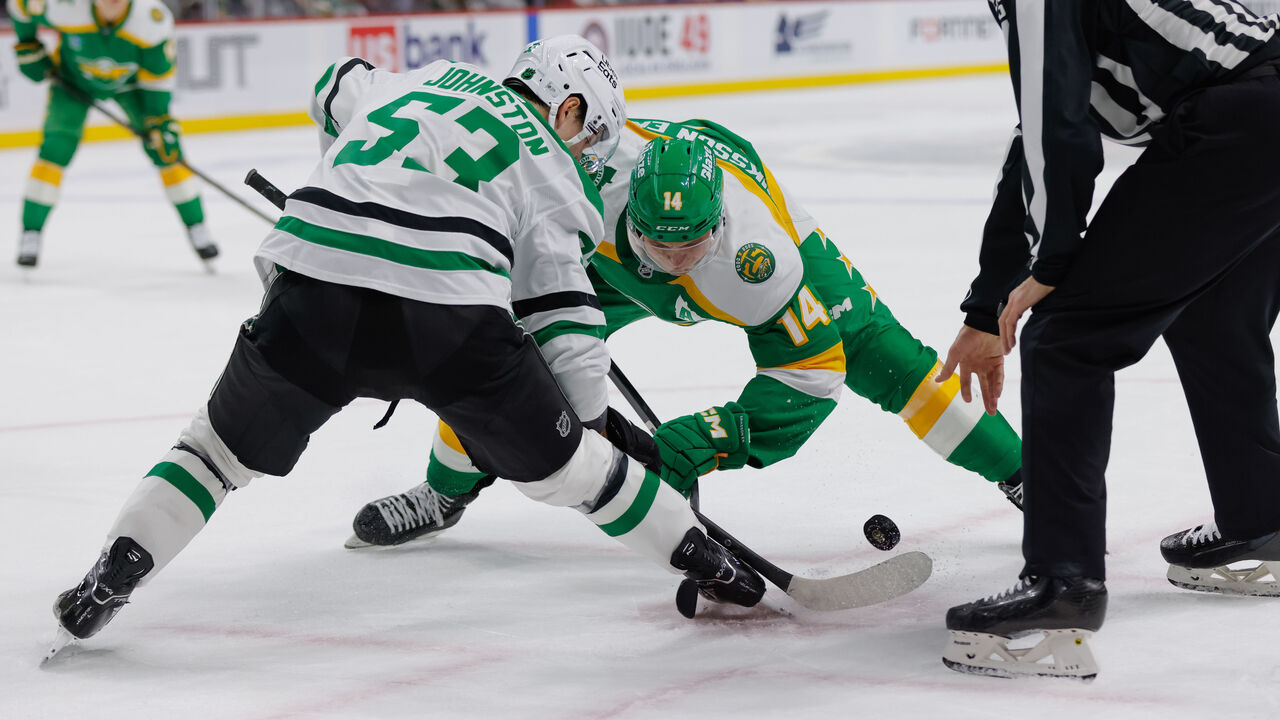
The Stars and Wild, two of the top five teams in the NHL this season, are primed to meet in Round 1 of the playoffs. As of Saturday morning, Dallas and Minnesota occupied the Central Division's No. 2 and No. 3 seeds, respectively.
What an unfortunate outcome for the two franchises. Just about everybody except for commissioner Gary Bettman would rather see the playoff format properly reward top teams, not pit them against each other in the opening round.
An NHL team executive mentioned in passing that Dallas can't catch a break with the playoff bracket. Check out their last seven opponents:
- 2025 conference final: Edmonton
- 2025 second round: Winnipeg
- 2025 first round: Colorado
- 2024 conference final: Edmonton
- 2024 second round: Colorado
- 2024 first round: Vegas
- 2023 conference final: Vegas (Stanley Cup winner)
That's Connor McDavid and Leon Draisaitl twice, Nathan MacKinnon and Cale Makar twice, the President's Trophy-winning Jets, and two loaded Golden Knights squads that were well over the salary cap come playoff time.
Any serious Cup contender must meet the league's best at some point in the playoffs. But a seven-series stretch without a single easy out? Rough.
Does all-Russian line have edge?
Reader Nate B. recently asked about foreign languages within NHL teams:
Big time Wild fan here. Coach John Hynes has put Danila Yurov, Yakov Trenin, and Vladimir Tarasenko on a line at points this year. It made me think, are there any language regulations within a team? On the bench? It seems to me that if a whole line can speak Russian, it may be a slight advantage on the ice if there are no Russians on the other team.
I asked a longtime NHL assistant coach (who also had a lengthy playing career at forward) for his two cents on this intriguing, albeit very niche, topic.
"There can be chemistry and familiarity built on and off the ice. I get that," the coach said. "But speaking a different language isn't really an edge. Doesn't move the needle in terms of communicating at a different level on the ice."
As for any regulations on what's spoken on the bench, inside the dressing room, or in other team settings, the coach said it's an unwritten rule to limit conversations in foreign languages. Talking Russian, French, or Czech in a small group for an extended period can make players, coaches, and staff unnecessarily subconscious. Are they talking about me?
"We're all on the same team. English is the universal language in the NHL."
What do you want to know, hockey fans?
There are three ways to submit a question for future NHL Inbox editions.
- Comment on this article in theScore app
- Email John at [email protected]
- Send John a message on X (@matiszjohn)