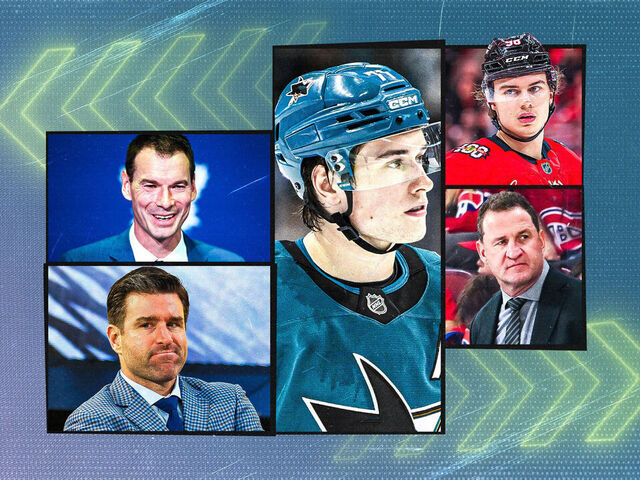
Bouncing pingpong balls locked in the top selections for the 2026 NHL Draft last week. That part of the process is always out of the teams' control.
From now until the June 26-27 event in Buffalo, however, teams takes charge by running through every possible draft-day scenario for them and their rivals.
Trade up? Move down? Select the best player available? Pick for positional need?
The top of this year's draft is particularly intriguing, given the prospects and clubs involved. Let's discuss the decision points that'll shape the top five.
No. 1: Toronto Maple Leafs
The Leafs, like any team on the clock first, will set the tone for the entire draft.
This powerful position is notable yet not overly interesting most years because there's usually one can't-miss prospect waiting to be picked. In 2026, two guys are in contention for first overall. While dynamic Penn State winger Gavin McKenna is the consensus best player in the draft class, it's widely believed that versatile Frolunda winger Ivar Stenberg sits atop at least a few teams' draft boards.
There's also the John Chayka factor. The Leafs' new general manager has a nontraditional background - including high-level experience in the hockey analytics space, fast-food industry, and private equity - and the moves he made as the Coyotes' GM (2016-20) suggest that he's an outside-the-box thinker.
Does Chayka's presence guarantee a draft-day zag? Absolutely not. Does him replacing Brad Treliving increase the odds of the Leafs getting creative? Yes.
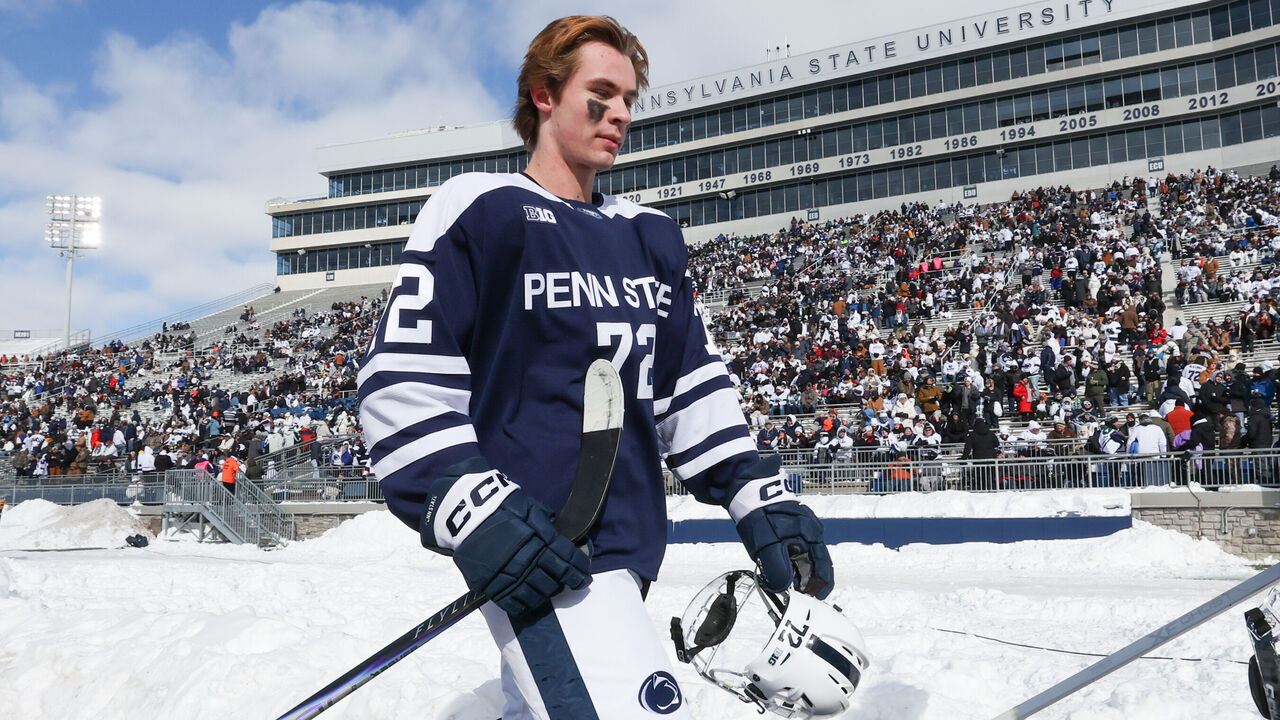
The most likely outcome by a wide margin: Toronto doesn't overthink the selection and picks a franchise cornerstone (McKenna or Stenberg) at No. 1.
"What matters here is leaving the draft with the best player possible," a former NHL GM with extensive experience told theScore on Monday. "We can talk about certain positions - center, defenseman - being more impactful than others, and winger isn't on top. But position is only a tiebreaker if all things are equal."
The less likely outcome but one worth pondering: The Leafs trade back in the first round, acquiring a second and potentially third premium asset in the process.
Toronto needs several young, needle-moving players, not one. It doesn't own its first-round picks in 2027 or 2028 and is low on high-end prospects. Defense is a major area of need, and the 2026 class is filled with promising blue-liners. So, in theory, opting for a volume approach makes sense.
McKenna has ties to the Vancouver market. The Canucks are set to pick third, again sometime in the late 20s or early 30s (originally Minnesota's pick), and then 33rd. You'd have to imagine their ownership group, which is currently interviewing GM candidates, is discussing the idea of pursuing the No. 1 pick.
Unless the Leafs are dead set on taking McKenna or Stenberg, Chayka and his staff would have to at least bat around the idea of trading the top selection for Vancouver's three top-33 picks (or the two first-rounders plus something else, say, a B-level prospect). The chances of Chayka picking up the phone and making a firm offer to the Canucks are slim, sure, but they shouldn't be 0%.
No. 2: San Jose Sharks
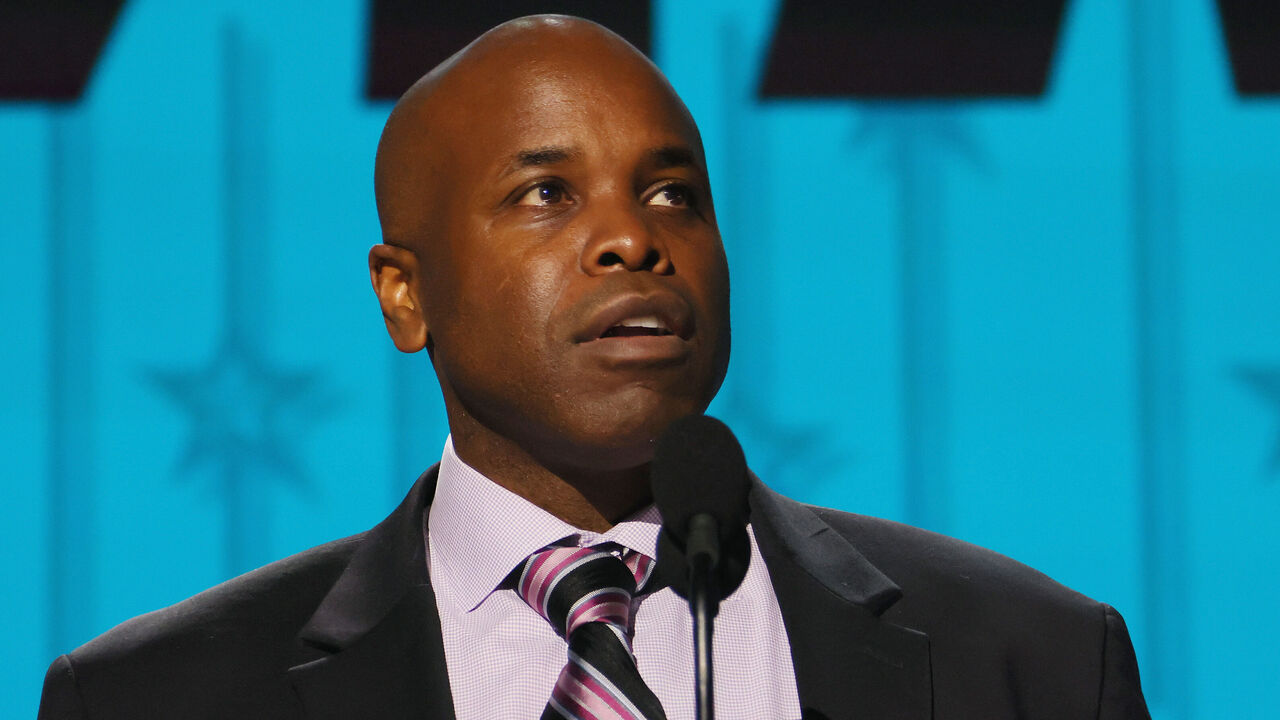
The Sharks, who picked in the top four each of the past three drafts, moved up seven spots on lottery night. San Jose took a giant step forward in 2025-26, and GM Mike Grier now finds himself in an enviable position on draft day.
Scenario 1: Bet on talent by picking whichever top-of-the-class winger is still available (McKenna or Stenberg).
Scenario 2: Address a specific organizational need by selecting a defenseman. The Sharks are loaded with young talent up front, while the back end is largely unsettled long term beyond Sam Dickinson and Eric Pohlkamp.
"Teams group kids by tiers or layers. If San Jose has (McKenna and Stenberg) in the same layer, internally they won't be able to justify picking someone else at No. 2. Can't take a lower player just for need," the former GM said.
Scenario 3: Play the market by trading down a few spots. Grier would reel in another asset and still get his shot at landing a premier defensive prospect at, say, fifth overall, as up to six defensemen could go within the top 10 picks.
Scenario 4: Trade the pick for a proven NHL star to immediately improve an ascendent, Macklin Celebrini-led team that barely missed the playoffs this season.
"I'm always open to listening to what's out there," Grier told reporters last week when asked about the possibility of moving the No. 2 selection. "If people have ideas or thoughts, then I'll listen and we'll go from there."
We haven't seen a trade involving a top-two pick since 2003, when Florida dealt the first overall selection and a third-round pick to Pittsburgh for the third overall selection, a second-round pick, and a depth NHLer.
No. 3: Vancouver Canucks
The Canucks, as noted earlier, are in the process of hiring a new GM. Assistant GM Ryan Johnson is the current front-runner to replace recently fired Patrik Allvin, Sportsnet's Elliotte Friedman reported Tuesday afternoon.
Vancouver finished the regular season with 14 fewer points than anybody else and, barring any significant developments, should be living in the NHL's basement again in 2026-27. Its roster, devoid of marquee players after December's Quinn Hughes blockbuster, requires heavy construction. The No. 3 pick and the club's 2027 first-rounder will be two important building blocks.
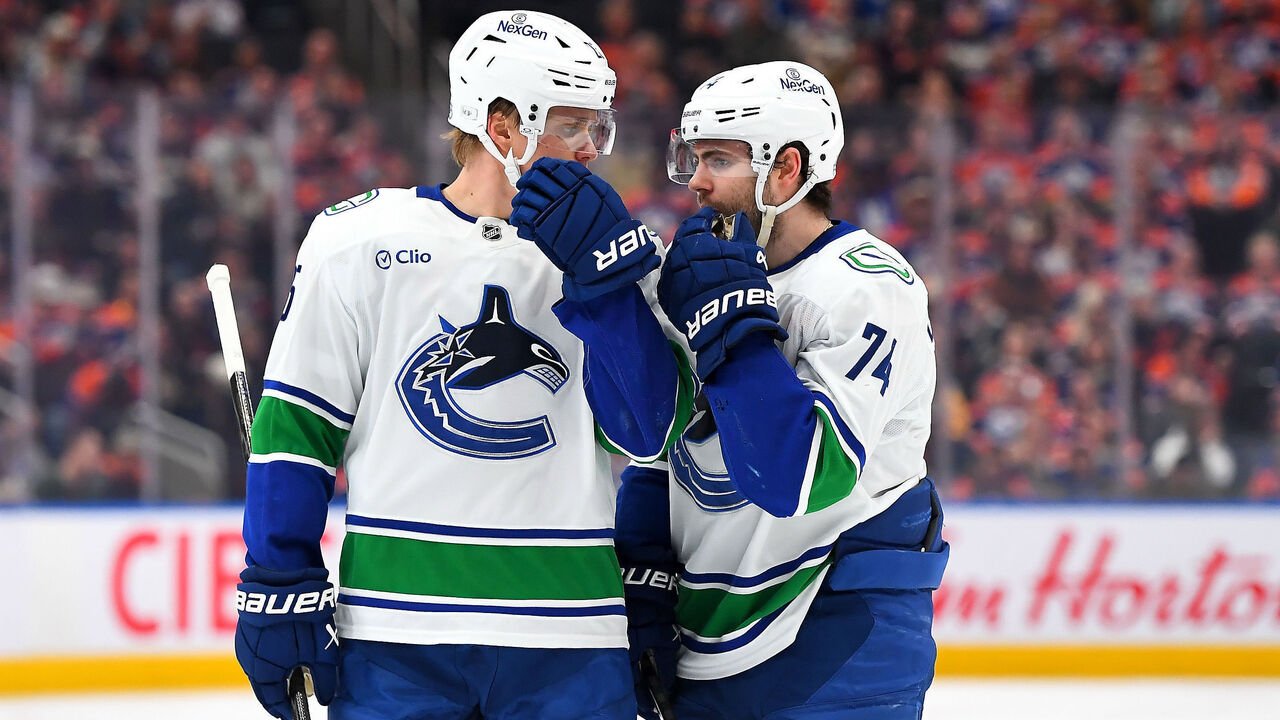
If McKenna or Stenberg happen to slide to third, the Canucks' decision is easy. Things get infinitely more interesting if both wingers are off the board.
Caleb Malhotra, who became the consensus top center after performing phenomenally in the second half of the OHL season, is arguably the class' third-best player. Caleb's dad, Manny Malhotra, is a former Canucks pivot, the current head coach of their AHL affiliate, and potentially the future bench boss for the NHL team. Will the incoming GM view the familial ties as a net positive, net negative, or neither?
More broadly, does the new GM allow his scouting staff to lead the charge in determining who to select? Or does the executive have firmly held beliefs?
The other realistic options at No. 3 include defensemen Chase Reid, Keaton Verhoeff, and Carson Carels. Reid is the most enticing prospect. He's big and smart, skates extremely well, and has power-play quarterback potential.
No. 4: Chicago Blackhawks
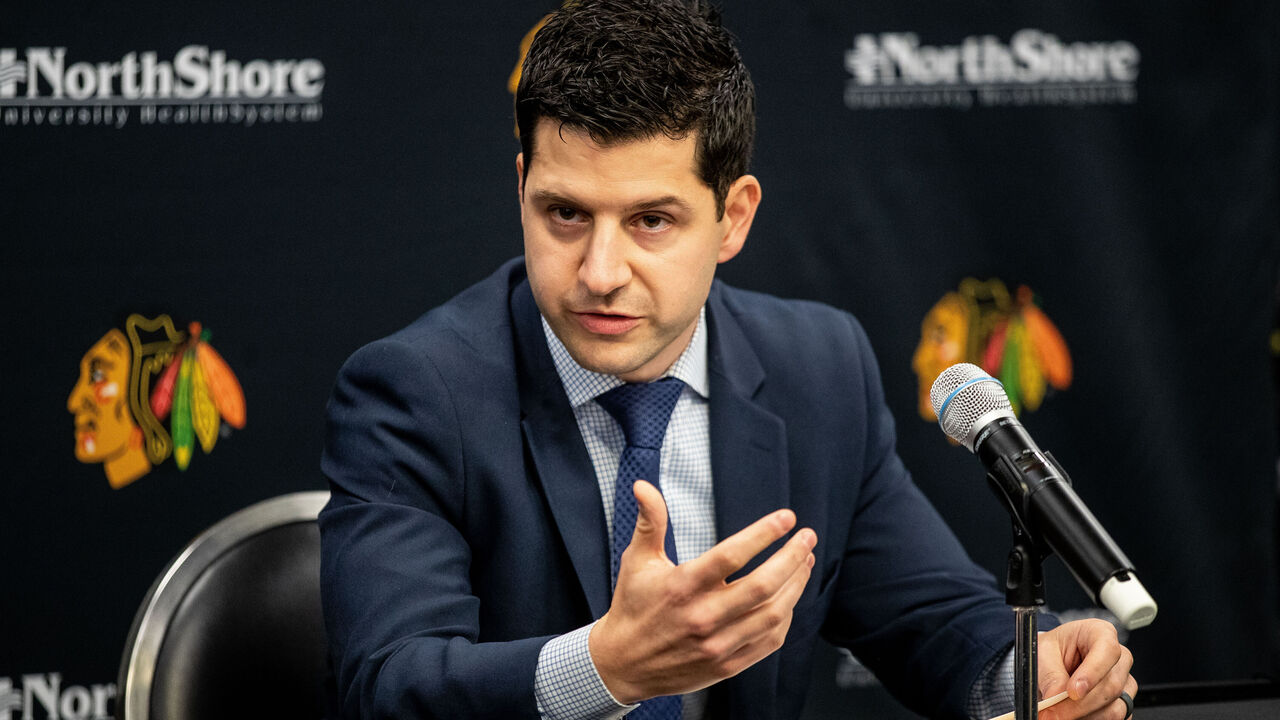
Unless Chicago can move into the top three via trade, GM Kyle Davidson will be coming to the draft ready for all kinds of scenarios. It'll be hard for him to know ahead of time which players will be on the board at No. 4.
The rebuilding Blackhawks, who selected Connor Bedard first overall, Artyom Levshunov second, and Anton Frondell third in consecutive drafts, are well-stocked at both forward and defense. Malhotra is the logical choice up front if he's available, while there are different ways to look at the blue-line options. Most of Chicago's best young defensemen shoot right, so drafting lefty Carels makes sense from a fit perspective. Then again, righties are more difficult to find in the NHL and thus carry extra value in trades, so why not add another to the mix in Reid?
Chicago's finished 30th or 31st in the standings in four straight seasons. The club must progress next year, and the free-agent class is low on difference-makers. Trading No. 4 for an impact NHLer shouldn't be off the table.
No. 5: New York Rangers
The former GM noted that draft boards across the league typically look similar at the top. Consensus tends to wane around the No. 5 pick.
For argument's sake, let's assume McKenna, Stenberg, Reid, and Malhotra are all gone by the time the Rangers are on the clock.
What's five-year GM Chris Drury's risk tolerance after a tumultuous last couple of seasons? Does he swing for the fences with a high-upside player, such as Verhoeff or brainy blue-liner Daxon Rudolph? Or opt for a player with a lower ceiling who's closer to being ready for the NHL, such as minute-munching defenseman Alberts Smits or power forward Ethan Belchetz? Or will he pick Carels, who's somewhere in the middle?
John Matisz is theScore's senior NHL writer. Follow John on Twitter/X (@MatiszJohn) or contact him via email ([email protected]).