F1 mailbag: Is Ferrari back? What went wrong with Aston Martin?
Whether it's strategy, development, or paddock politics, there's a lot that goes into determining the outcomes of Formula 1 races that we don't see transpire on track. That's why we're introducing the F1 mailbag, where theScore's lead F1 writer, Daniel Valente, answers your questions about the hottest topics in the sport. Consider this your personal glimpse inside the paddock.
There are three ways to submit your questions for the next mailbag, which we'll publish after the Chinese Grand Prix.
• Leave a comment on an F1 article on theScore app
• Mention @F1GuyDan on X
• Email Daniel at [email protected]
The following questions have been edited for clarity and grammar.
Ammar Saleh (@Slimghost02) asks: How confident are you that Ferrari's strong Bahrain mileage actually reflects genuine race-stint pace?
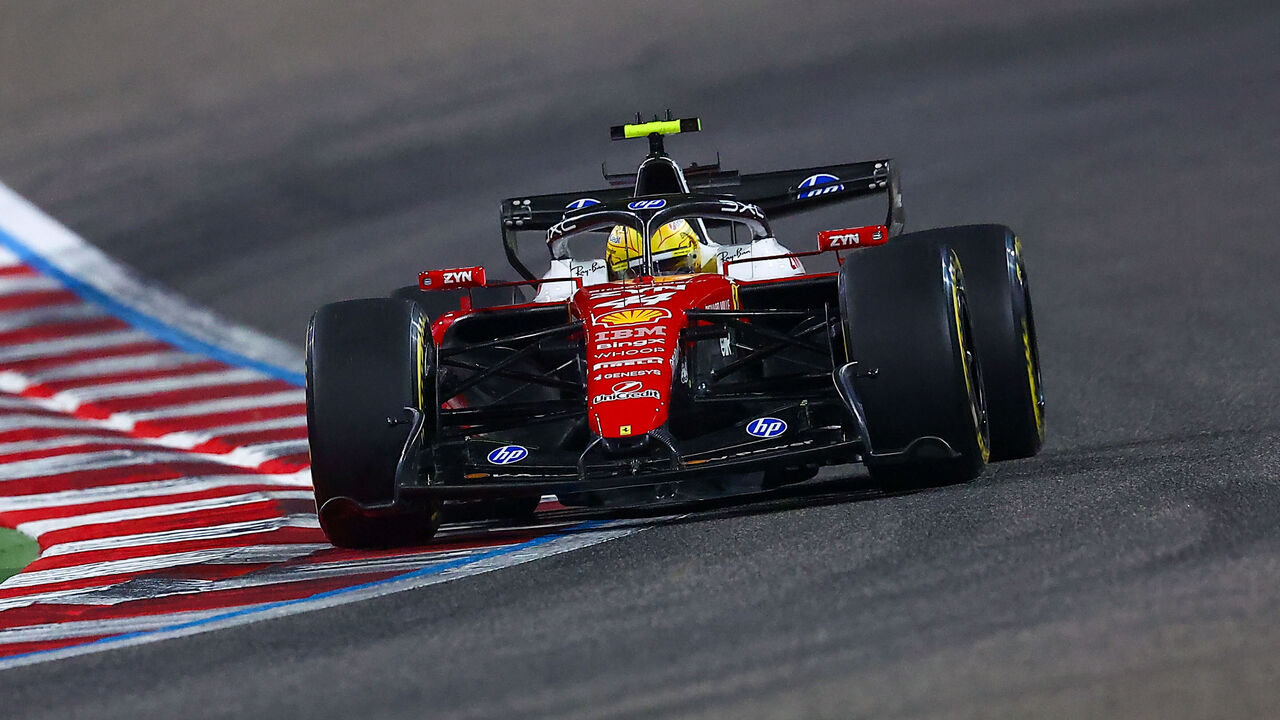
Pretty confident. Now, whether that translates to pace capable of winning the championship is uncertain, thanks to Mercedes not showing its entire hand, but Ferrari definitely should be in the mix to start the season. Charles Leclerc demonstrated that the SF-26 has strong one-lap pace. Plus, his race simulation that took place in the morning on the final day of running was seriously impressive, considering it occurred in hotter temperatures than the cooler afternoon session. But it's also important to remember that even if Ferrari begins at the front of the pack, the development of teams will decide the 2026 season, not how they start. Ferrari learned that painful lesson in 2022, when the Scuderia opened the ground-effect era with two wins in three races but were eventually out-developed by Red Bull, which went on to claim the drivers' and constructors' titles.
User @Radityo_utomo asks: What is going on with Honda? How are they so incompetent?
Perhaps the same question is also being asked inside Aston Martin's Silverstone base. The blunt truth is probably that Honda was in a race against time that it really had no chance of winning. Honda only announced it would be returning to F1 as an engine manufacturer in May 2023. That's a short amount of time to get its power unit department regrouped and operating at a high level, all while the Japanese manufacturer continued to support Red Bull as a technical partner. None of the other engine-makers faced a situation this unique. Aston Martin team principal Adrian Newey said in February that his team was about four months behind the others in terms of wind tunnel development. It's not hard to imagine that Honda faced an even larger deficit compared to its power unit rivals.
Andrew Cleary (@acleary15) asks: Will Aston Martin cease operations by the end of the season?
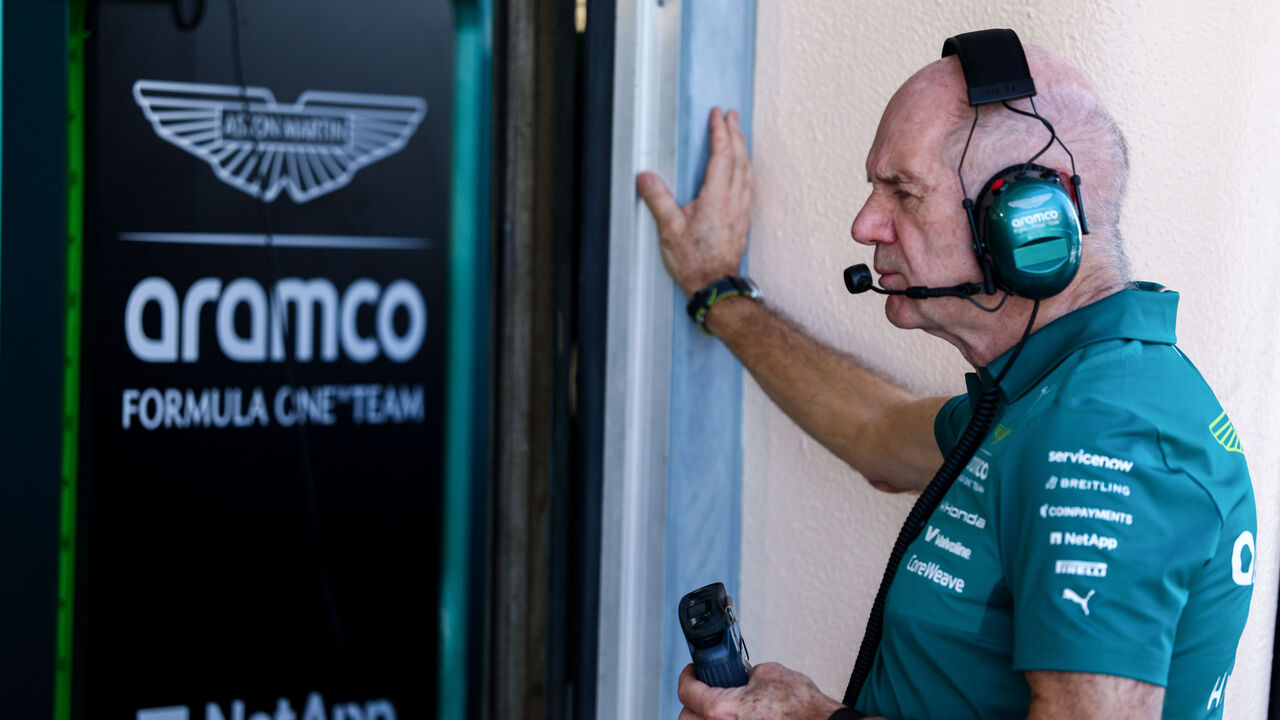
Probably not. However, it's possible that a nightmare 2026 season could dwindle Fernando Alonso's aspirations of staying in F1. After all, this is a driver who already lived through a Honda debacle (with McLaren) from 2015-17. I'm not sure any driver is equipped to deal with that twice.
User @f1_superleague asks: Who's sandbagging the most? Who's in trouble already? And who's your dark horse?
Mercedes seems like the unanimous pick for the team that's hiding the most pace. It's not so much that Mercedes is playing games. It's more like the Silver Arrows are just unbothered by everything else going on around them. They never did a true race simulation during the final week in Bahrain, only compiling stints that were roughly 9-10 consecutive laps. Even during those, Mercedes appeared to be faster than the rest. As Leclerc, Lando Norris, and Max Verstappen did one-lap performance runs on new tires, George Russell completed a qualifying lap, returned to the pit lane, and quickly came out for another stint of around 10 consecutive laps on the same tire, a rather clear sign that he logged his best time with significant fuel on board.
The answer to the second question is an easy one: Aston Martin is in serious trouble for reasons stated previously and the fact that the AMR26 has given zero indication it can complete a full race. Among all the running Aston Martin did in the Bahrain tests, the closest that the car came to completing a race simulation was 26 laps before a battery issue halted Alonso. Plus, the pace shown during that race run was miles off the midfield and comparable to newcomer Cadillac. F1 hasn't seen a disaster like this in quite a while.
My dark horse at the front is McLaren. The team previously seemed to be a significant step behind Mercedes and Ferrari, but the reigning constructors' champion looked to be making progress with each passing day in Bahrain. McLaren also reportedly wasn't running the latest spec of the Mercedes engine, leading me to believe there's a lot more potential to be gained. As for the midfield, I'll tip my hat to Audi, which I think has smashed expectations in preseason testing. The newcomer seems to have built an engine that isn't causing headaches, and Gabriel Bortoleto's race simulation on Feb. 20 was surprisingly decent and well clear of the likes of Racing Bulls and Williams.
Bobby Iadanza (@Robert_Iadanza) asks: Were the changes to the car regulations too drastic?
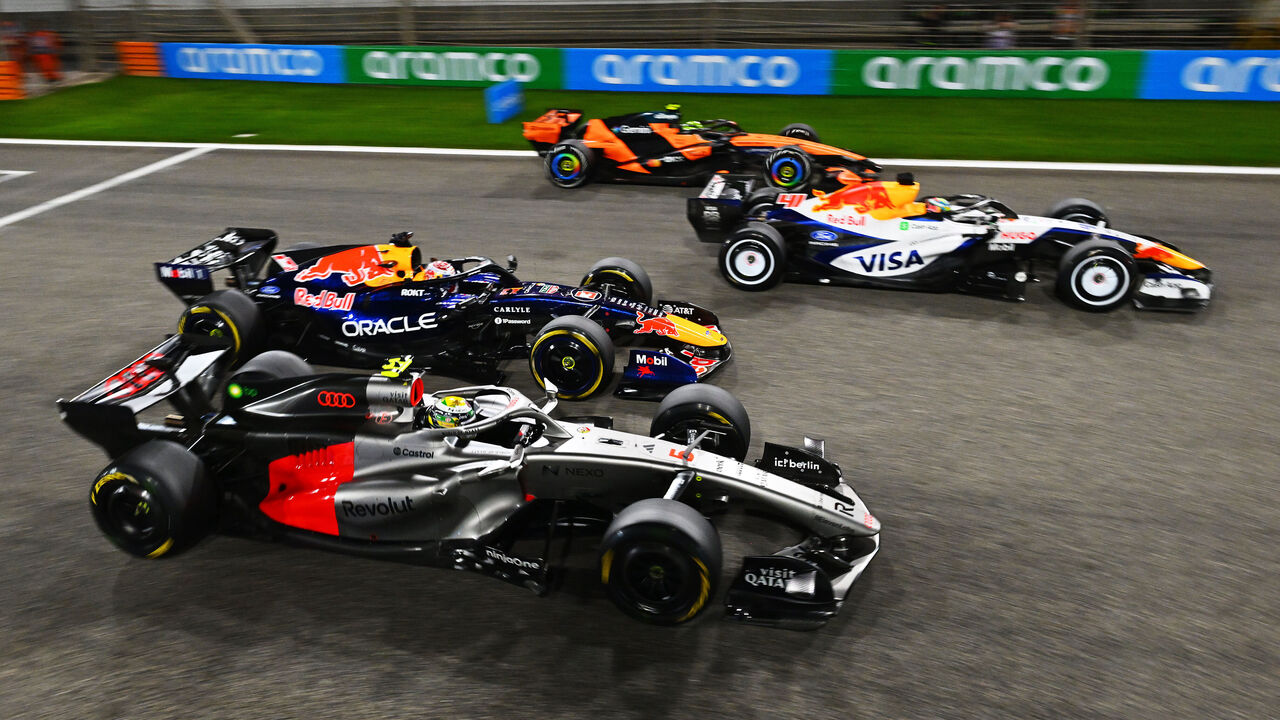
In regards to whether the 2026 regulations presented too many drastic changes at once, the answer at this stage has to be a resounding yes. The reduction in size and weight for the chassis were great ideas, with drivers complimenting the new feel of the handling. Everything else, though, has been quite questionable. The new power units drawing 50% of their power from the electrical side make for pedestrian driving at times. F1 is now a game of energy management. It's all about finding the best areas to deploy energy and the most efficient places to harvest, which has led to complaints about lifting and coasting on straights. This could create major problems at circuits such as Melbourne, Jeddah, and Monza. The active aerodynamics are a cool touch, but, frankly, they're just efforts to find the best way to maintain high levels of top speed with these Frankenstein regulations. To make matters worse, drivers have complained that overtaking seems difficult. You can't help but feel that F1 may have bit off more than it can chew with the huge shift toward electrical engines while trying to use active aerodynamics as smoke and mirrors.
With that said, if the races are good and exciting, those points about the driving characteristics become moot. So, it's best to keep an open mind at least until we see the cars in action.
Daniel Valente is theScore's lead Formula 1 writer. Daniel has covered the sport for multiple years, conducting analysis and interviewing key figures inside the paddock. His expertise is breaking down data and discovering unique stats. Follow Daniel on X at @F1GuyDan.